Why Fukuoka Should Be on Your Japan Itinerary
- Date
Share


|Written by Emma Elrod|
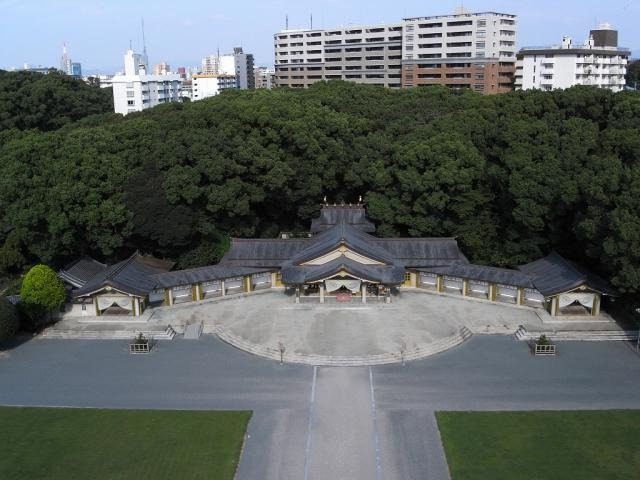
While Tokyo and Kyoto continue to attract millions of visitors every year, international travelers are beginning to discover another side of Japan in Fukuoka. Known for its welcoming atmosphere, food culture, and convenient location, Fukuoka offers all of the experiences that travelers wish to gain from Japan in a slower, more relaxed environment.
Gateway to Japan and Asia
Known as the gateway to Kyushu, Fukuoka is home to Hakata Station, the largest transportation hub in Kyushu. It connects travelers locally within Fukuoka and across Japan as a whole. The station has various modes of transportation, including the Kyushu Shinkansen, limited express trains, local JR lines, the Fukuoka City Subway, and long-distance buses. Inside the station itself, visitors can find fashion boutiques, souvenir shops, beauty and lifestyle stores, and pop-up shops featuring seasonal products and character merchandise. It is often the first place that international travelers pass through when visiting Fukuoka because of its close proximity to Fukuoka Airport, as it is about five minutes away by subway. This quick connection between the airport and the city center is one of Fukuoka’s greatest advantages, making arrival in Fukuoka extremely easy for visitors.
Another major advantage is Fukuoka Airport itself. It is one of the few international airports located so close to a city’s downtown area, making this its most defining feature. For visitors, this means less commute time, lower transportation costs, more time to explore the city, and easy access without needing a taxi. Compared to other international airports, Fukuoka Airport is relatively compact, making navigation much easier and less confusing than most. The airport has separate international and domestic terminals connected by a free shuttle. Its straightforward layout allows travelers to navigate the airport efficiently and with relatively little stress.
In addition to its rail and air connections, ferries are one of Fukuoka’s biggest advantages because they connect the city not only to nearby islands but also to South Korea. Because of Hakata Port’s location on the northern coast of Kyushu, it serves as a gateway to Asia and remains one of Japan’s busiest international passenger ports. Ferry rides to nearby islands can take as little as 15 minutes and give visitors a completely new perspective on Fukuoka. As for South Korea, a ferry ride to Busan takes only six hours, making it a great option for a weekend getaway.
Food Culture
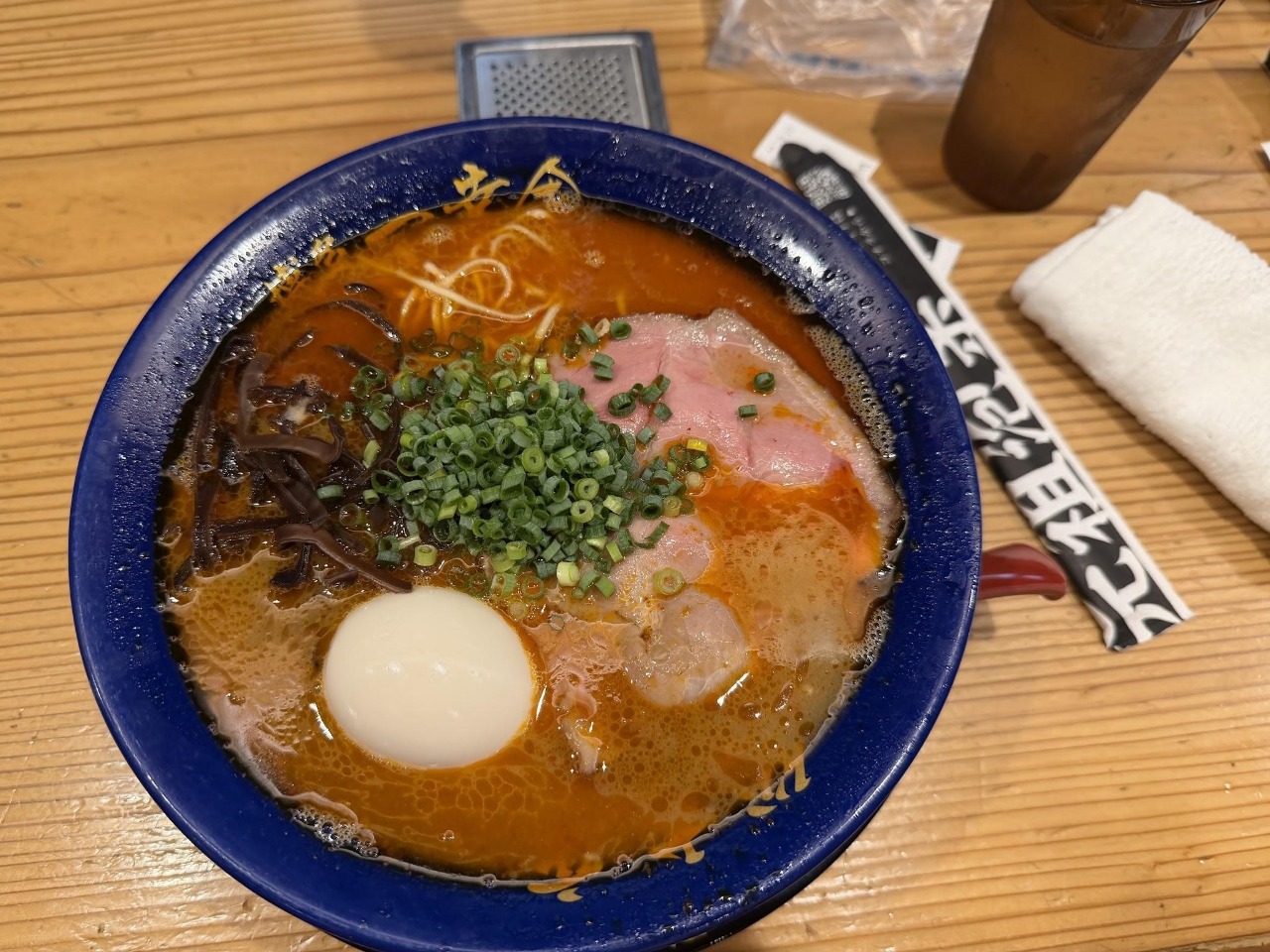
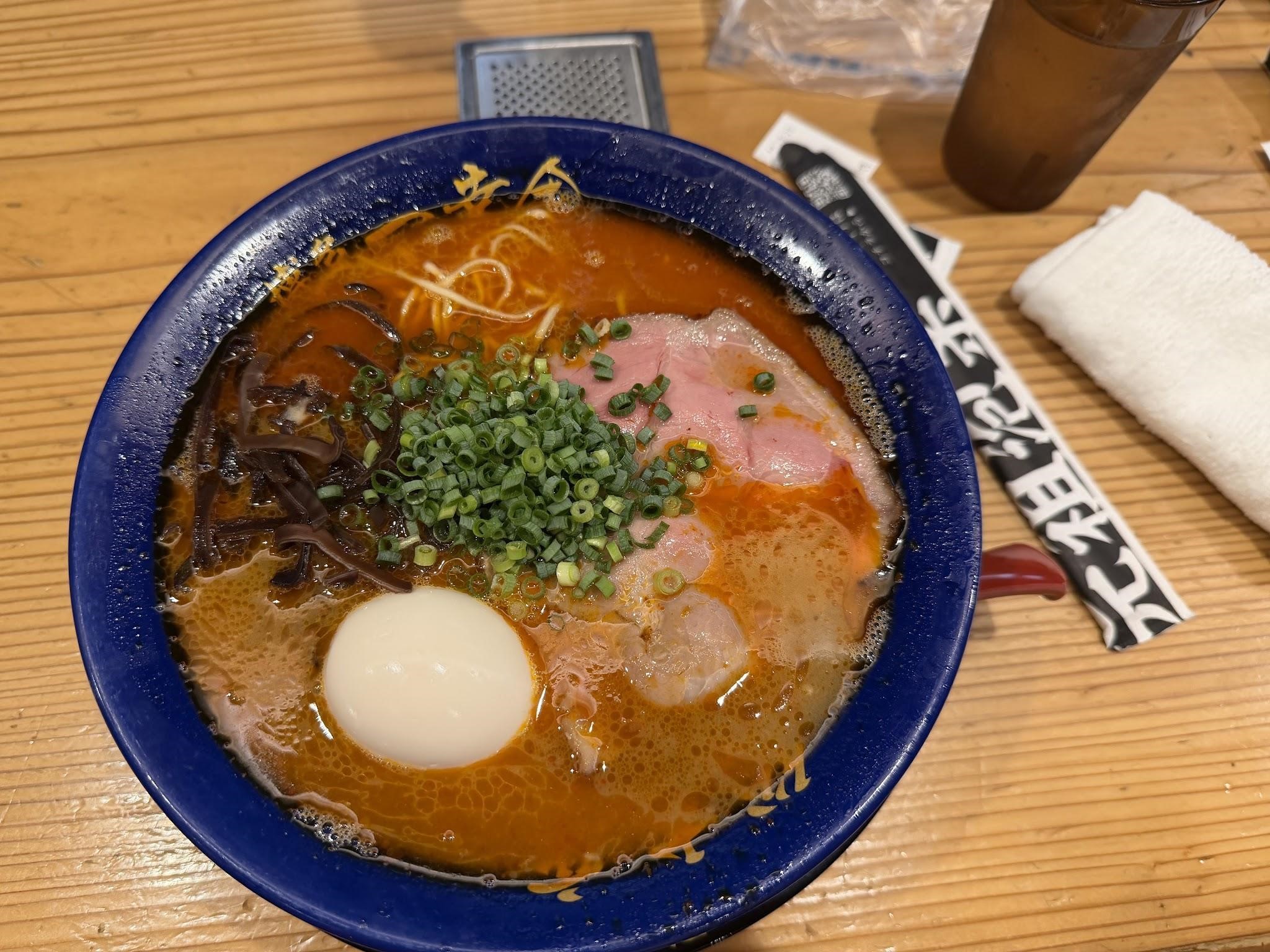
Food is at the heart of Fukuoka’s culture. The city has earned the reputation of being one of Japan’s top culinary destinations. From lively yatai stalls and traditional izakayas to fresh seafood and regional specialties, Fukuoka offers a wide range of cuisine, mixing long-standing tradition with local flavors.
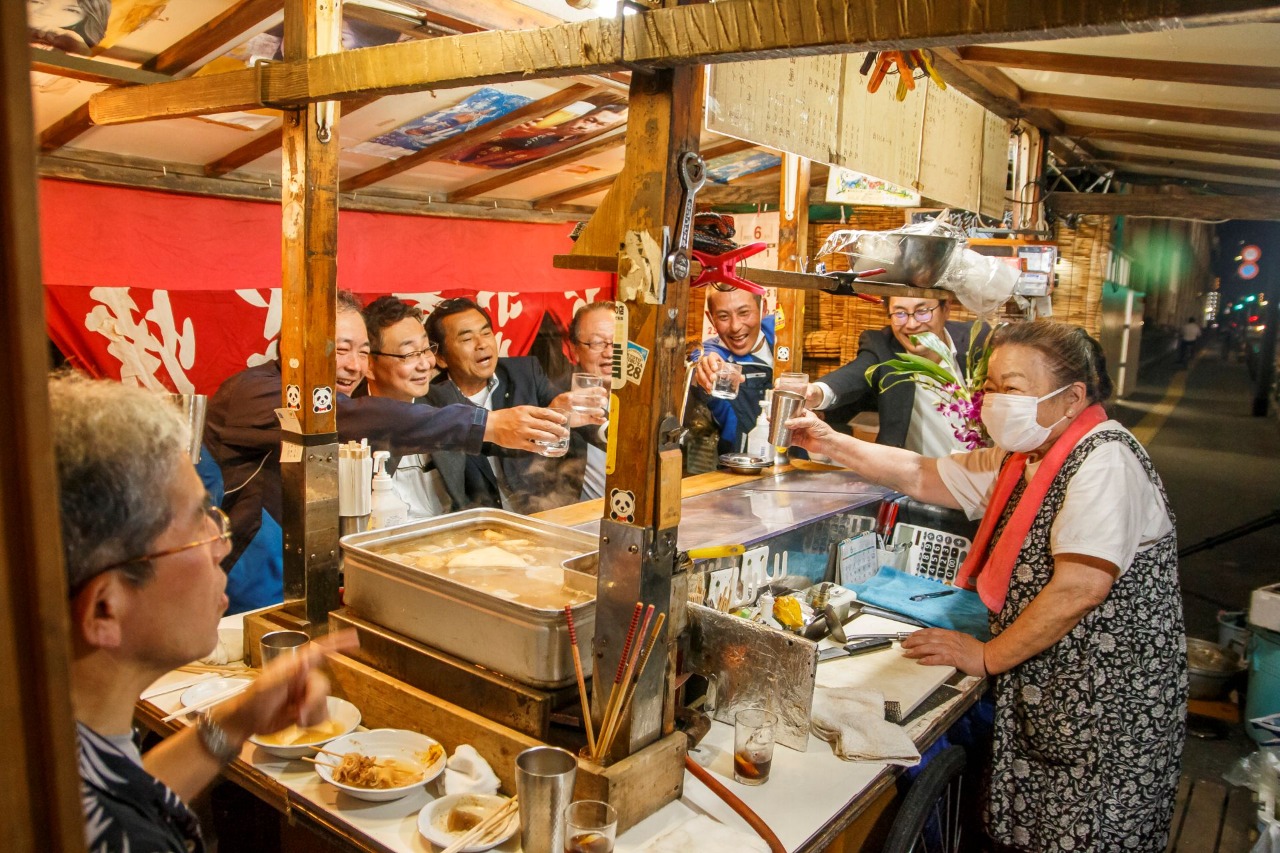
Experiencing Fukuoka’s yatai stalls is a must, as the city has over 100 of them. Yatai stalls aren’t just about the food—it’s about the experience as well. Each stall has only about 8–10 seats, meaning everyone is in close proximity while eating together. This seating arrangement provides a valuable opportunity to socialize with local people. While each stall has its own specialty, some dishes you’re likely to find include Hakata tonkotsu ramen, yakitori, oden, yakiramen, mentaiko dishes, gyoza, and grilled seafood. Yatai also isn’t just about the food; it’s a place to relax over drinks. Some common drinks include Japanese beer, highballs, shochu, sake, plum wine, and various soft drinks and teas.
Although Fukuoka is known for its yatai, izakayas are just as popular. Izakayas in Fukuoka are known for showcasing incredibly fresh seafood, local sake and shochu, and Hakata specialties. Due to the city’s close proximity to the sea, many restaurants receive seafood caught the same day from nearby fishing ports, making sashimi one of the highlights of dining in the city. In other cities, izakayas often specialize in one type of food, but in Fukuoka they serve a wide variety of regional dishes, allowing visitors the unique experience of trying several local specialties in one meal. Some signature dishes you’ll find in an izakaya include yakitori, motsunabe, goma saba, sashimi, mentaiko dishes, and mizutaki.
Big-City Experience Without the Crowd
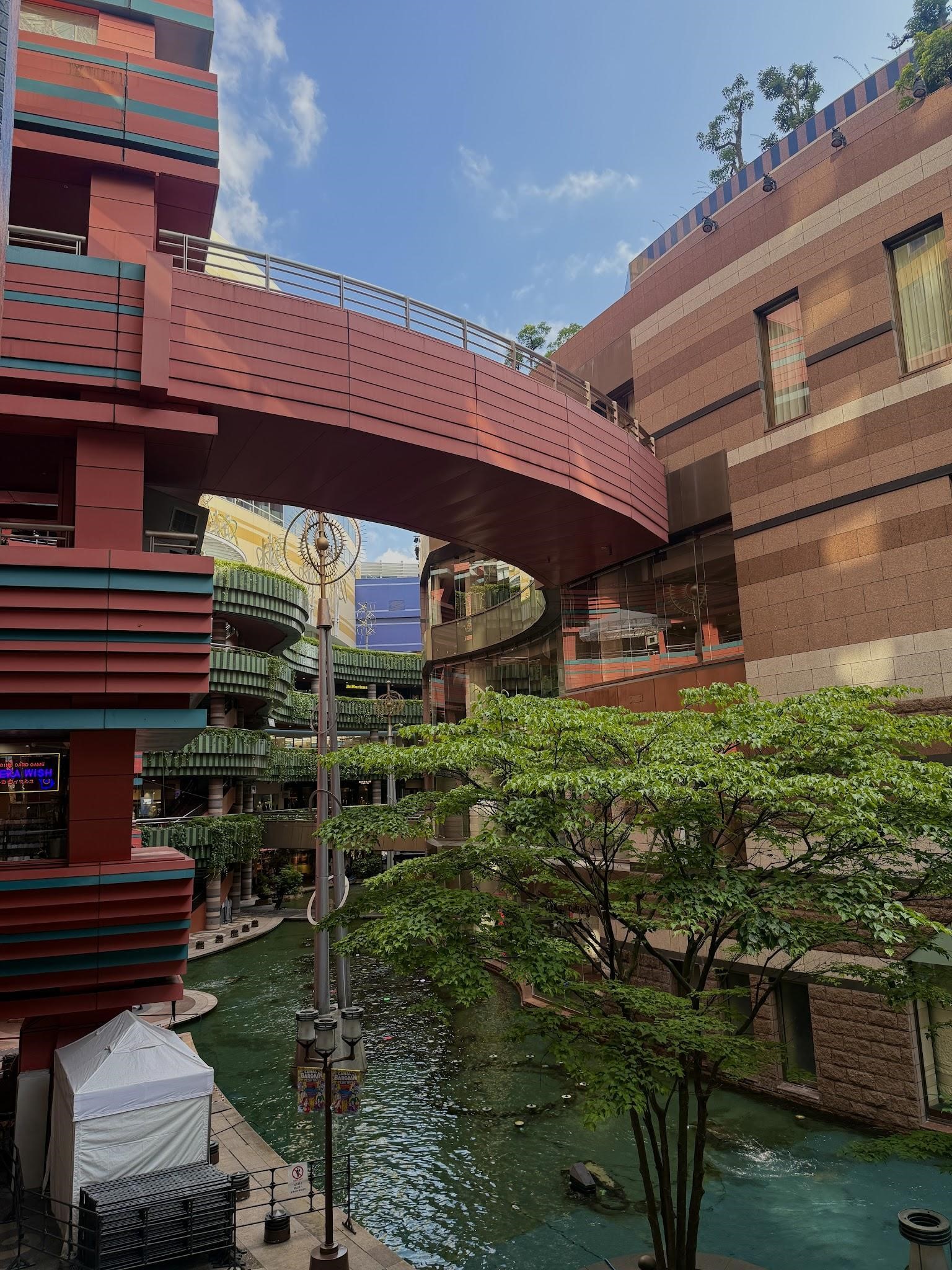
Fukuoka offers many of the same experiences travelers seek in Japan’s largest cities—from large shopping districts and cultural attractions to a busy nightlife and renowned food scene—but with a more relaxed pace and noticeably less congestion. Visitors can spend their days shopping in malls filled with everything from luxury brands to vintage clothing stores, then enjoy the nightlife featuring lively izakayas, bars, and yatai food stalls. The city also has museums that showcase its rich history and art, while its proximity to the coast gives visitors access to the beach for an escape from the urban landscape.
All of the experiences that visitors want in bigger cities can be found in Fukuoka, but with far fewer people. For travelers, this means less crowded attractions, shorter wait times at restaurants, easier transportation, more hotel availability than in larger cities, and an overall more relaxed environment.
Easy to Explore
One of the biggest advantages Fukuoka has is how easy it is to explore. Because Fukuoka Airport is one of the closest major airports to a downtown area in Japan, navigating and getting into the city is easy and relatively stress-free.
Another advantage of the city is its subway system. The subway is clean and connects the entire city. It is especially convenient for rainy days or when it is too hot to walk outside during the summer. Connected to the subway are numerous underground passages that make walking to other districts even easier.
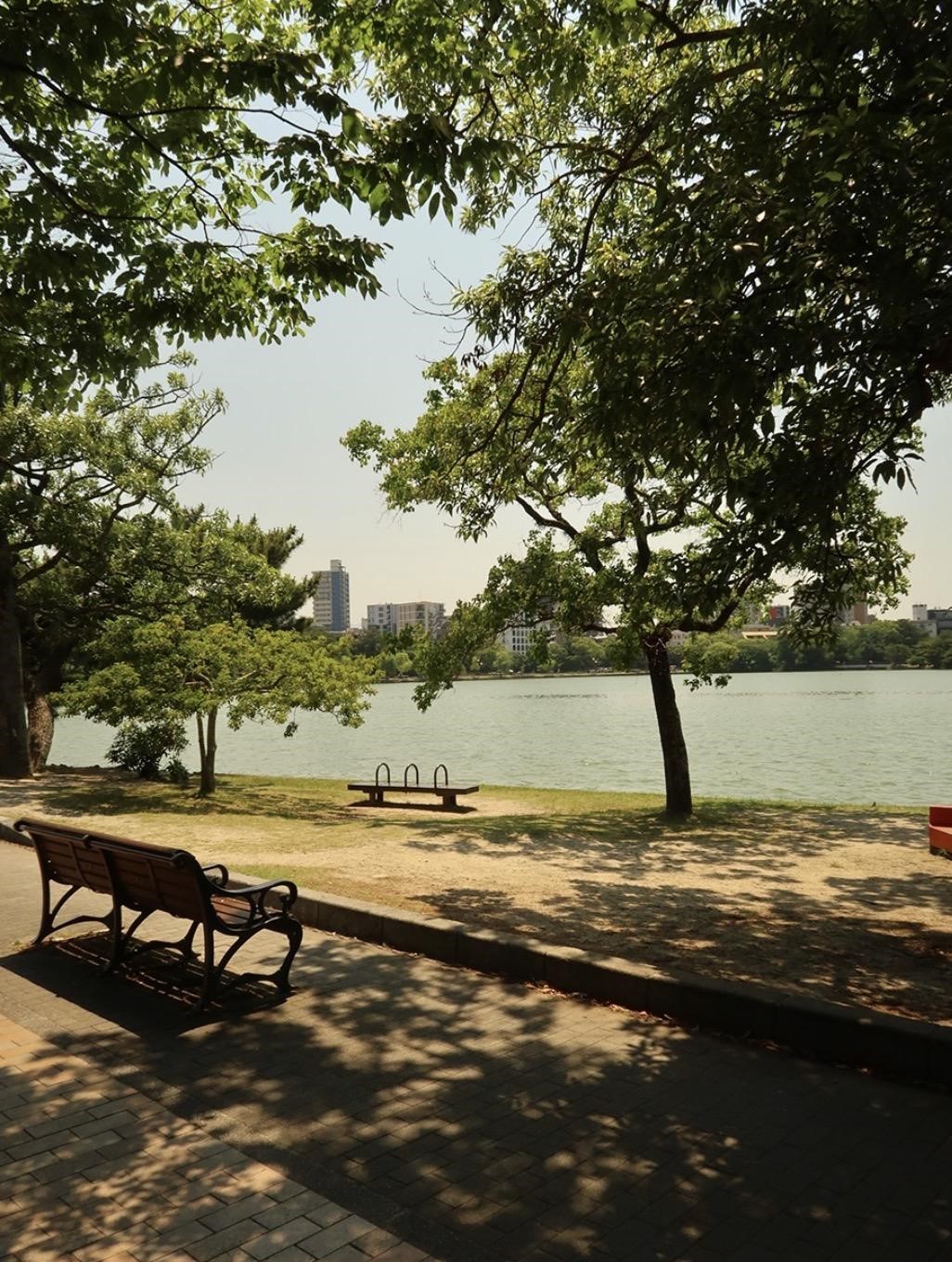
Although the city’s public transportation is excellent, it’s not always necessary. The city is super compact, which makes it walkable and easy to explore. Sometimes walking is preferred because it’s the best way to discover little hidden spots throughout the streets that you might miss if you rely on public transportation all the time.
International Yet Authentic
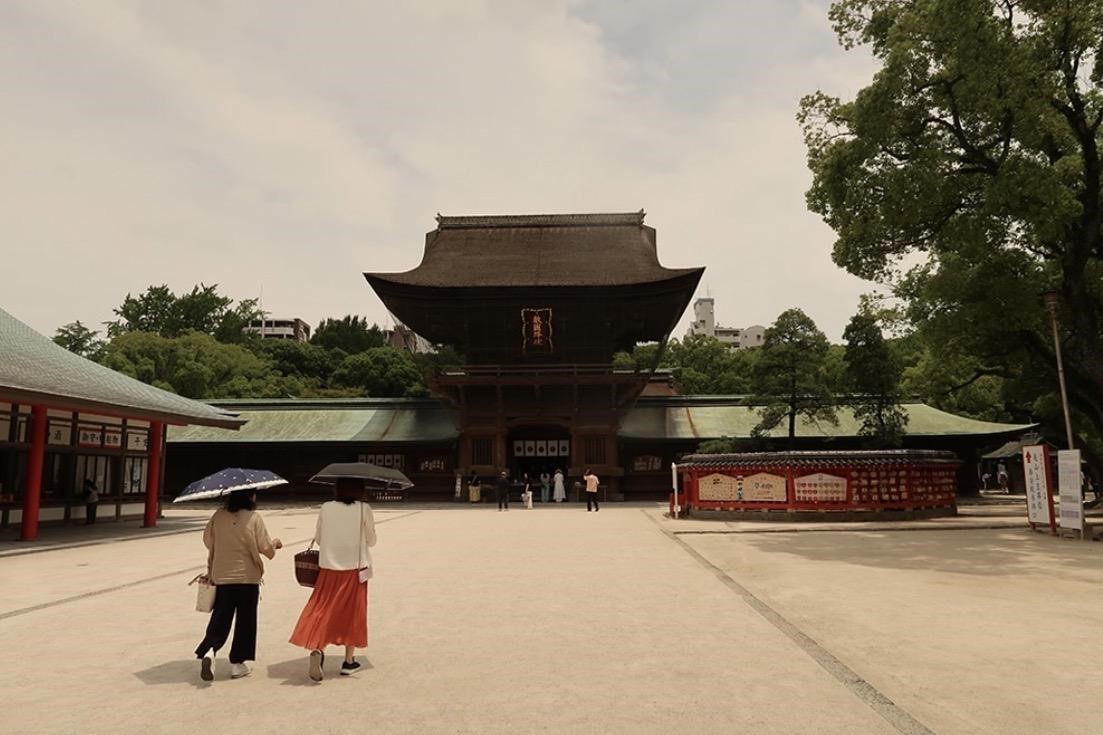
Fukuoka strikes a balance between being internationally accessible and authentically Japanese. As the city continues to welcome international visitors, the number of English-friendly attractions and signs makes exploring easier, while its neighborhoods, traditions, and daily life remain deeply rooted in local culture. It has successfully accommodated international travelers without sacrificing its identity. Fukuoka’s welcoming atmosphere makes it easy for visitors to feel at home while experiencing the city’s local culture.
The Final Takeaway
While cities like Tokyo and Kyoto often dominate Japan travel itineraries, Fukuoka offers an experience just as valuable and memorable at a much more relaxed pace. The city blends tradition and modern life into an atmosphere that is welcoming to international visitors while offering the convenience, food, culture, and accessibility that many travelers are looking for. Fukuoka may not be the first city that comes to mind when planning a trip to Japan, but it just might end up becoming your favorite. Don’t forget to put Fukuoka on your Japan itinerary!