Discover the Districts That Define Fukuoka
- Date
Share


|Written by Emma Elrod|
One of the best ways to discover Fukuoka is by exploring what each of its districts has to offer. Each area is unique, but together they showcase a diverse blend of modern city life, rich history, and culture that makes Fukuoka one of Japan’s most inviting cities to visit. This article serves as a guide to help you navigate Fukuoka and personalize your trip to your own interests.
Hakata
Hakata is one of Fukuoka’s major districts. It is one of the first areas many visitors experience, as it serves as the city’s main transportation hub and has been the gateway to Kyushu for centuries. Known for its history, Hakata has been one of Japan’s most important international ports for almost 1,000 years. It has long played an important role in trade because of its proximity to mainland China and Korea, long before Tokyo emerged as the nation’s capital.
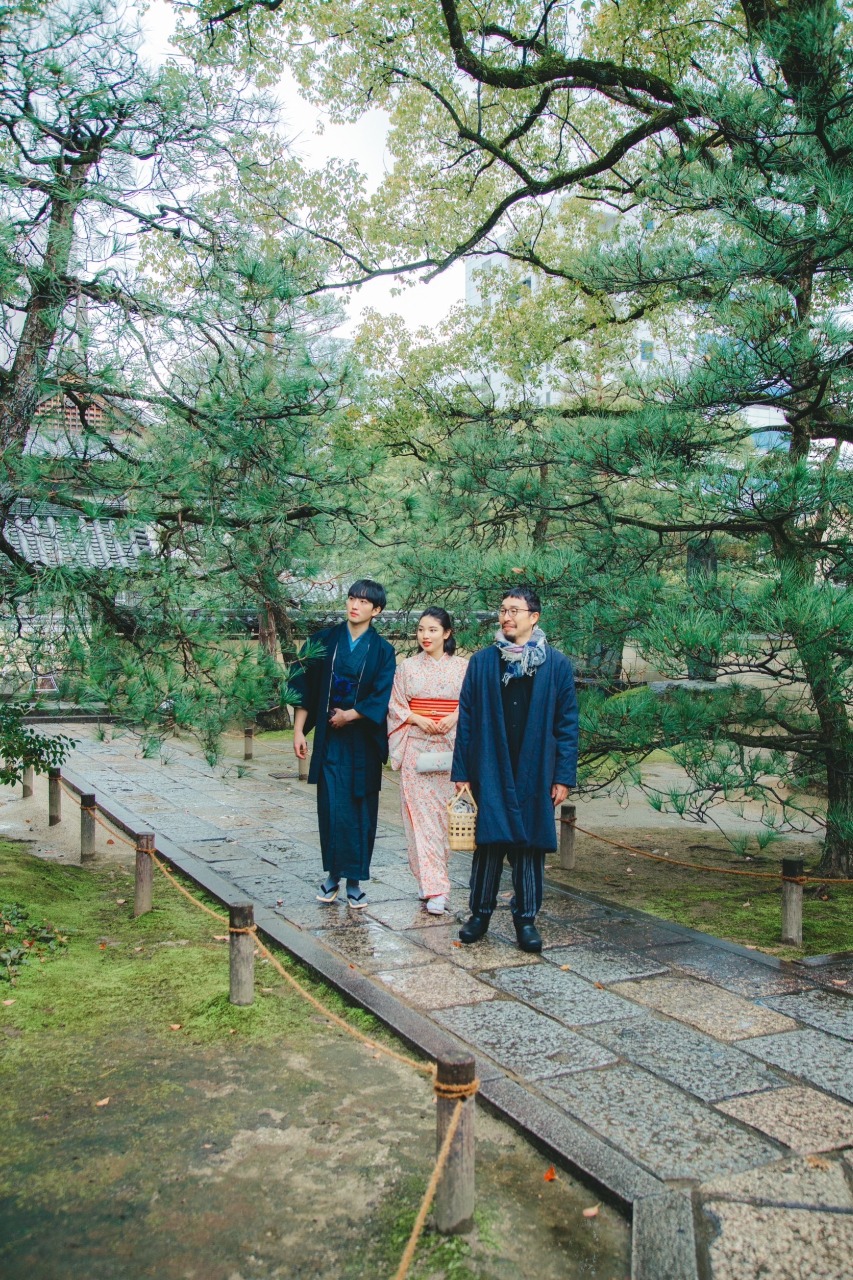
In Hakata, you can see a fusion of both old and new. Ancient temples and shrines blend seamlessly alongside modern shopping complexes, and traditional ramen shops share their space with sleek office buildings. Its central location also makes it one of the easiest places in the city to explore on foot.
Some of the major attractions in Hakata include Hakata Station, one of Japan’s busiest transportation hubs, filled with shops, restaurants, and observation decks. Canal City Hakata is a large shopping complex featuring a variety of shops, cafés, entertainment centers, and restaurants. It’s easy to spend a whole day there without even realizing how much time has passed. Canal City also features a special fountain show that runs every hour and is definitely something you should catch at least once. Kushida Shrine is the guardian shrine of Hakata and is home to the famous Hakata Gion Yamakasa Festival.
Hakata also has a rich food culture and is primarily known for Hakata tonkotsu ramen, motsunabe, mizutaki, goma saba, and mentaiko. Many of these dishes became closely associated with Hakata, making it a hotspot for incredible local cuisine. From small family-run restaurants to Michelin-recognized restaurants, visitors can experience both traditional and modern takes on the city’s signature dishes.
The area hosts the Hakata Gion Yamakasa, one of Japan’s oldest festivals, every July. The festival features teams racing floats weighing up to one ton through the streets for about 5 km. The Hakata Gion Yamakasa offers visitors a unique opportunity to experience the city’s community spirit and cultural traditions firsthand. However, be ready to wake up early and secure a good viewing spot on the street because the festival begins at 4:59 a.m.!
Tenjin
Tenjin is Fukuoka’s center for shopping and culture. More modern than Hakata, it represents the city’s contemporary lifestyle. The area gets its name from Tenjin Shrine, which is dedicated to the deity of learning, Sugawara no Michizane. Following World War II, Tenjin rapidly developed into Kyushu’s largest shopping and business district.
The atmosphere of Tenjin is energetic and youthful. It’s where locals go to shop after work, meet friends at a café, or enjoy the city’s nightlife.
One of the highlights of the area is its large underground shopping mall, which connects directly to Tenjin Station. It is a great place to shop when you’re trying to escape the rain during the rainy season in June or the heat during Japan’s summer months.
Throughout Tenjin, you can find a variety of shopping malls with stores ranging from luxury brands to vintage clothing shops. Despite its modern appearance, you can still find Kego Shrine nestled within the city, offering a peaceful escape from the busy streets. Visitors can also find trendy cafés, dessert shops, izakayas, street food, and Michelin-recognized restaurants.
ACROS Fukuoka is another highlight of the area, famous for its stepped rooftop garden that blends architecture with greenery and offers a unique place for visitors to enjoy views of the city.
Momochi
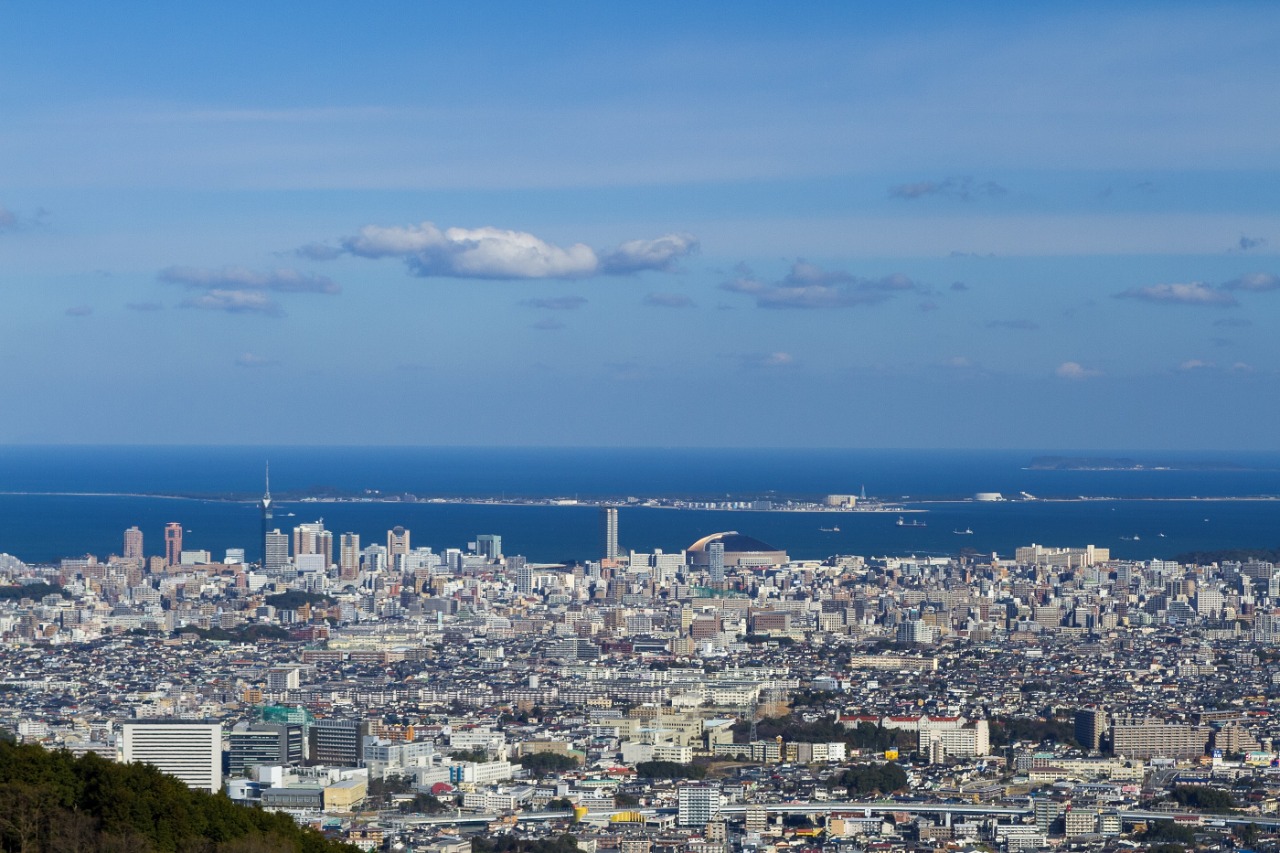
Momochi is Fukuoka’s waterfront district. Developed in the late 20th century on reclaimed land along Hakata Bay, it introduces a completely different perspective of Fukuoka by combining beaches, museums, architecture, and entertainment.
Unlike Hakata and Tenjin, Momochi is relatively new. The area was developed in the 1980s and 1990s as part of a waterfront redevelopment project. Today, it is considered one of Japan’s most successful examples of waterfront urban planning.
Compared to the other districts, Momochi feels more open and relaxed. Visitors can enjoy ocean views, wide walking paths, parks, and beaches.
Fukuoka Tower, one of the city’s most recognizable landmarks, is located here. As Japan’s tallest seaside tower, it offers panoramic views of Hakata Bay and Fukuoka City. Momochi Seaside Park is an urban beach known for water activities, walking, and relaxing. Mizuho PayPay Dome Fukuoka is home to the Fukuoka SoftBank Hawks and hosts baseball games, concerts, and other major events. Fukuoka City Museum features exhibits covering local history and archaeology.
Honorable Mentions: Daimyo and Nakasu
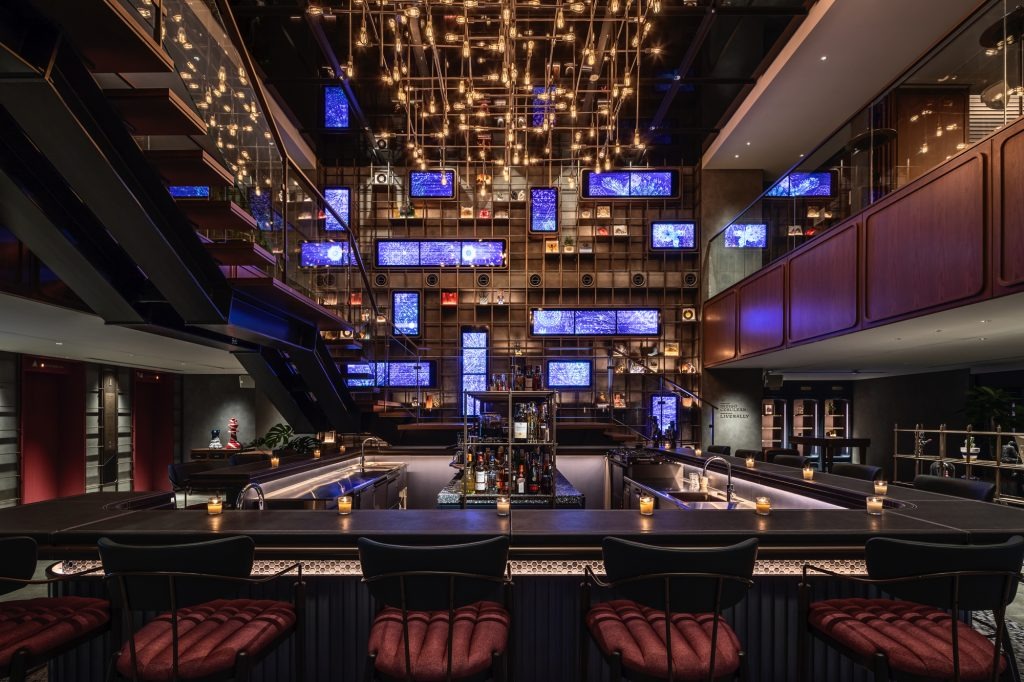
Daimyo has become known as Fukuoka’s center for youth culture, fashion, and independent businesses. Compared to Tenjin, it has a much more relaxed and creative atmosphere. The streets are lined with locally owned cafés, concept stores, vintage boutiques, and restaurants. Many shops in Daimyo offer items that can’t be found in larger department stores, making it an ideal place to shop for unique souvenirs. As evening falls, Daimyo becomes one of Fukuoka’s liveliest nightlife areas. Visitors can find cocktail bars, live music venues, wine bars, and clubs, all within walking distance of Tenjin.
Nakasu is Fukuoka’s most famous entertainment district. While it is known for its nightlife, it is also one of the city’s top destinations for local cuisine, particularly its iconic riverside yatai stalls. Nakasu is one of the best places to try local dishes such as yakitori, oden, gyoza, Hakata tonkotsu ramen, as well as local sake and shochu. Whether visitors are looking for a relaxed evening or a lively night out, Nakasu offers a variety of options to suit every taste.
Why You Should Visit Fukuoka City
Whether you’re exploring the historic streets of Hakata, shopping in the lively streets of Tenjin, or relaxing by the beach in Momochi, each area offers a different perspective of Fukuoka. Together, they seamlessly blend history, culture, modern attractions, and incredible cuisine, making Fukuoka a destination with something for every type of traveler.