Discovering Sites Linked to the Kuroda Clan, Lords of the Fukuoka Domain
- Date
Share


Join Fukuoka’s Goodwill Ambassadors and explore the city’s rich history and culture.
Exploring Fukuoka with the Goodwill Ambassadors!
A Tour Through Historic and Cultural Sites
Join Fukuoka’s Goodwill Ambassadors and explore the city’s rich history and culture. Discover not only the classic spots, but also deeper stories, and overlooked views you might have missed. Spend your next day off uncovering Fukuoka’s historical treasures for a truly special experience!

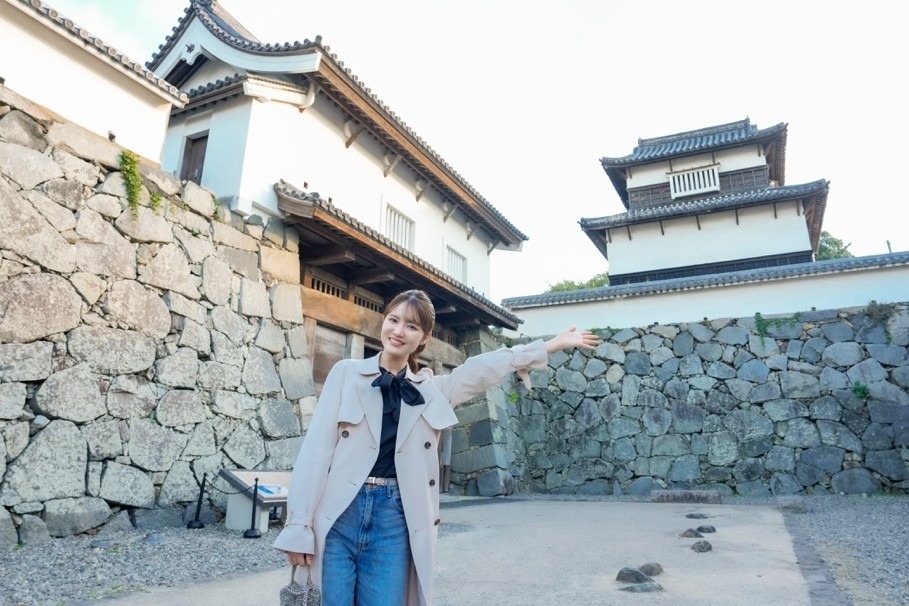
▲2024–2025 Fukuoka Goodwill Ambassadors (Honoka Ueda (left in photo), Ayana Takahashi (center in photo), Narumi Kunisaki (right in photo))
In this second episode, let’s join Ayana Takahashi in exploring the Hakata and Chuo Wards!
Discovering Sites Linked to the Kuroda Clan, Lords of the Fukuoka Domain
Kuroda Nagamasa (the first lord of the Fukuoka Domain), who distinguished himself at the Battle of Sekigahara, was granted the province of Chikuzen and took up residence at Najima Castle (in Najima, Higashi Ward) in 1600. Shortly thereafter, he constructed Fukuoka Castle alongside his father, Kuroda Yoshitaka (Kanbei/Josui). It is said that he began developing a castle town on the north side of the castle in 1601. Join Ayana on a tour around Fukuoka City to uncover the Fukuoka Domain’s legacy in temples, shrines, parks, and even bustling street corners!
[Fukuoka Castle Ruins] (Nationally Designated Historic Site)
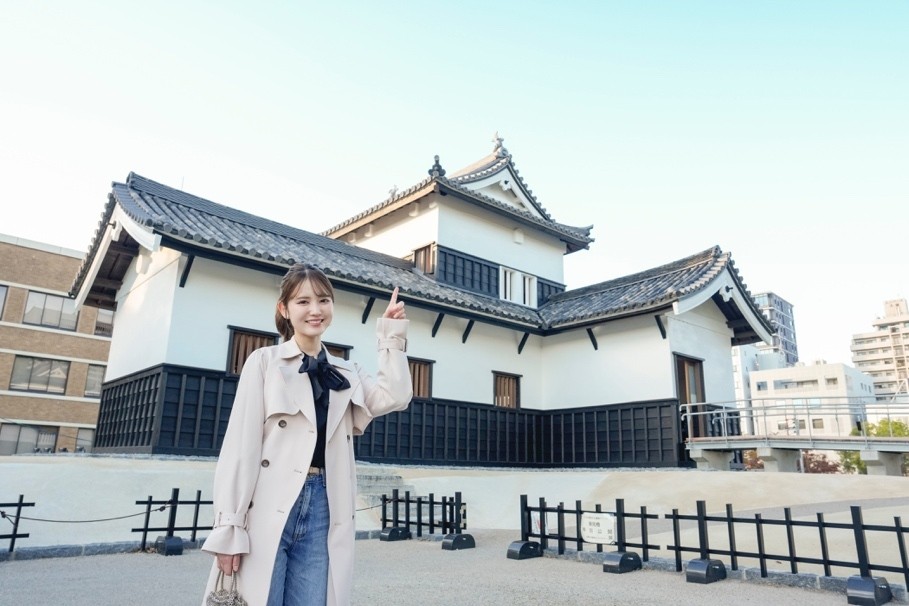
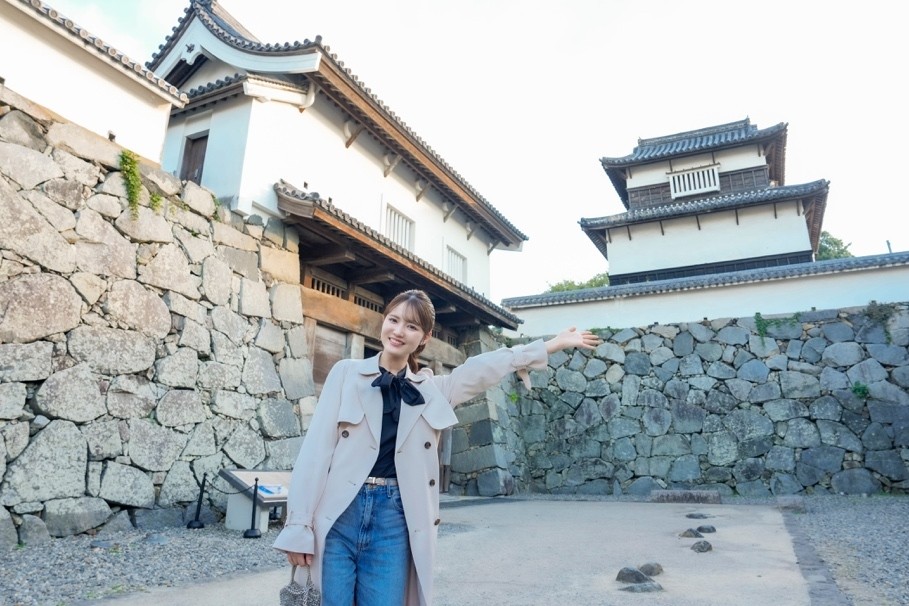
▲The restored Shiomi-Yagura turret. Pillars and roof tiles from the Edo period have been used wherever possible.
 |
 |
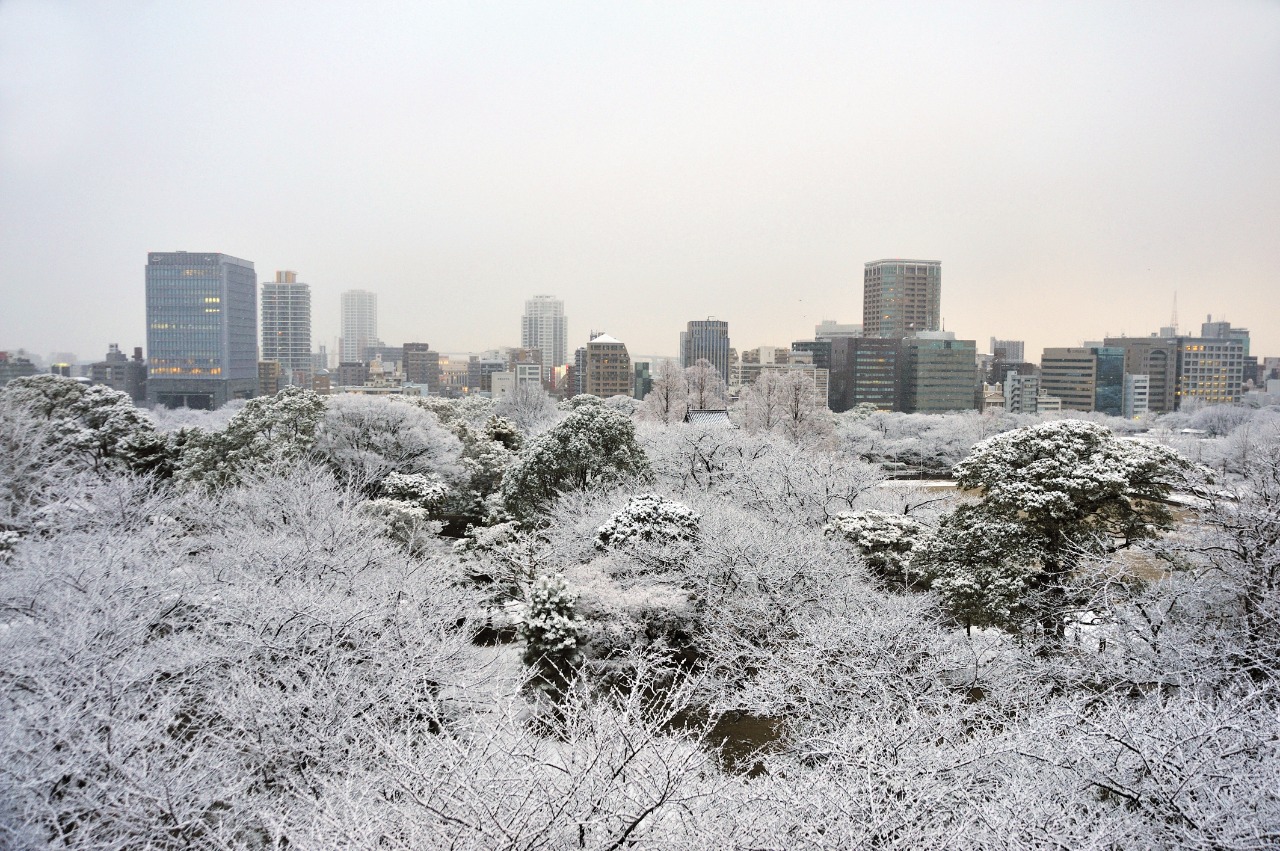
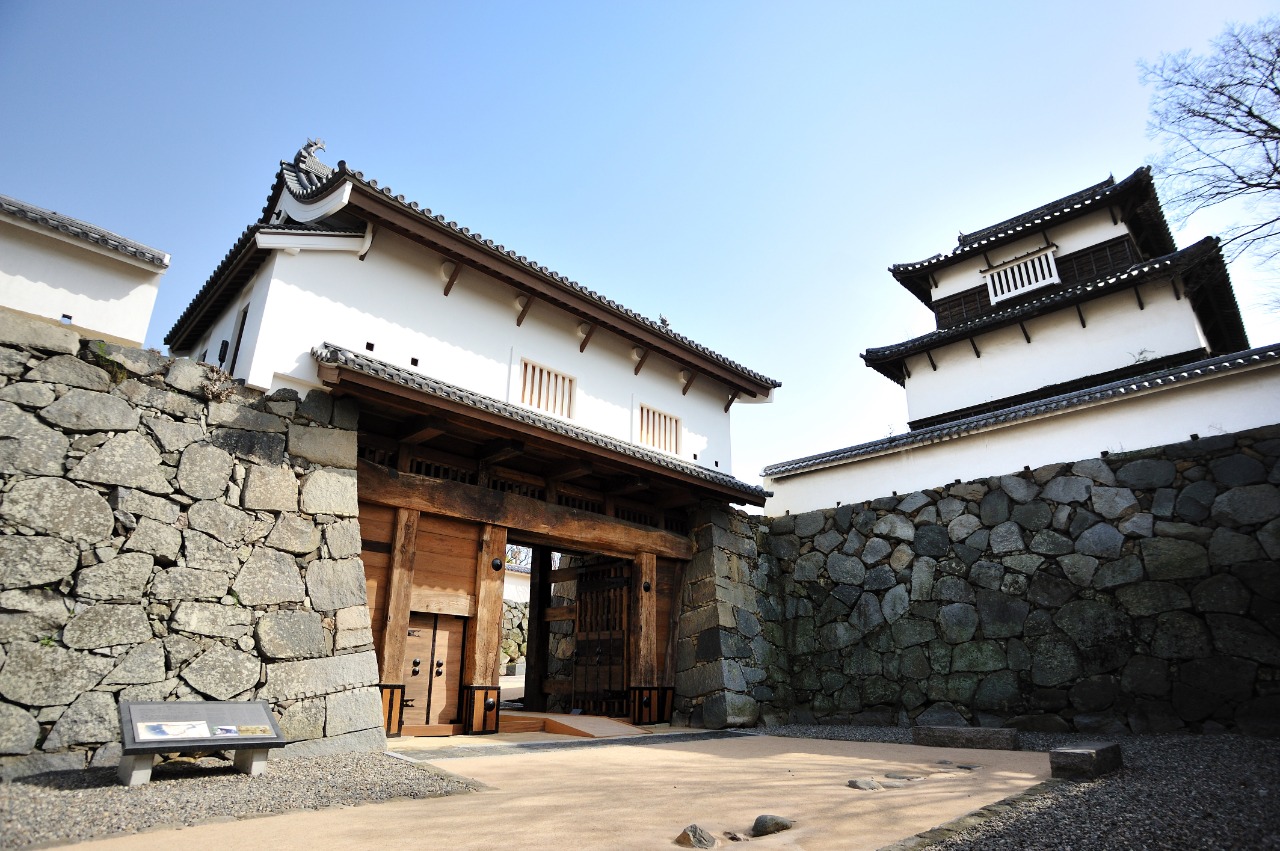
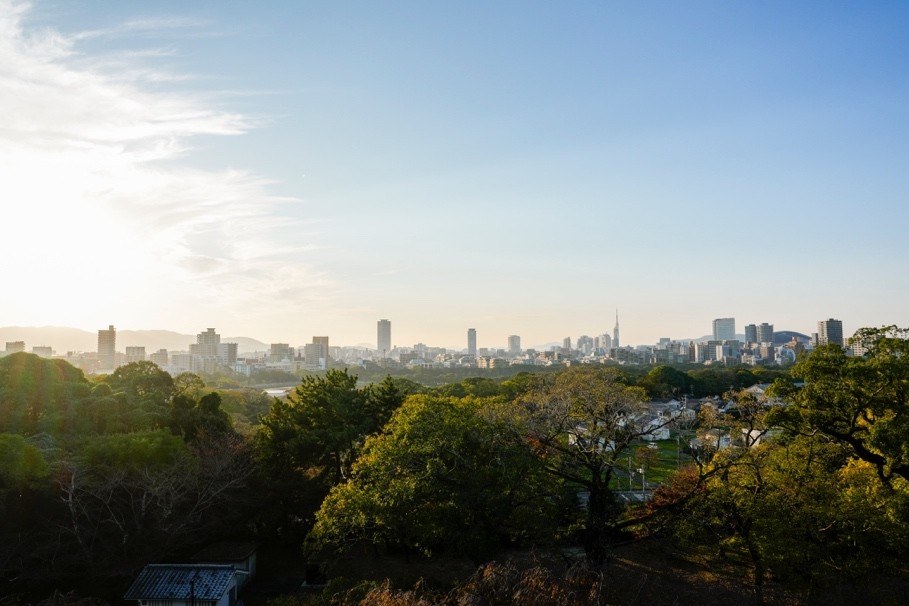
Let’s begin our journey from Fukuoka Castle, the heart of the Fukuoka Domain. After the Battle of Sekigahara, Kuroda Nagamasa took up residence at Najima Castle; however, because the castle town of Najima was too small, he proceeded to construct Fukuoka Castle in Fukusaki, Kego Village, Naka District (present-day Jonai, Chuo Ward). The inner compound alone covered approximately 410,000 square meters. Surrounded by moats, the castle formed a vast and imposing complex that once featured 47 turrets and more than 10 gates.
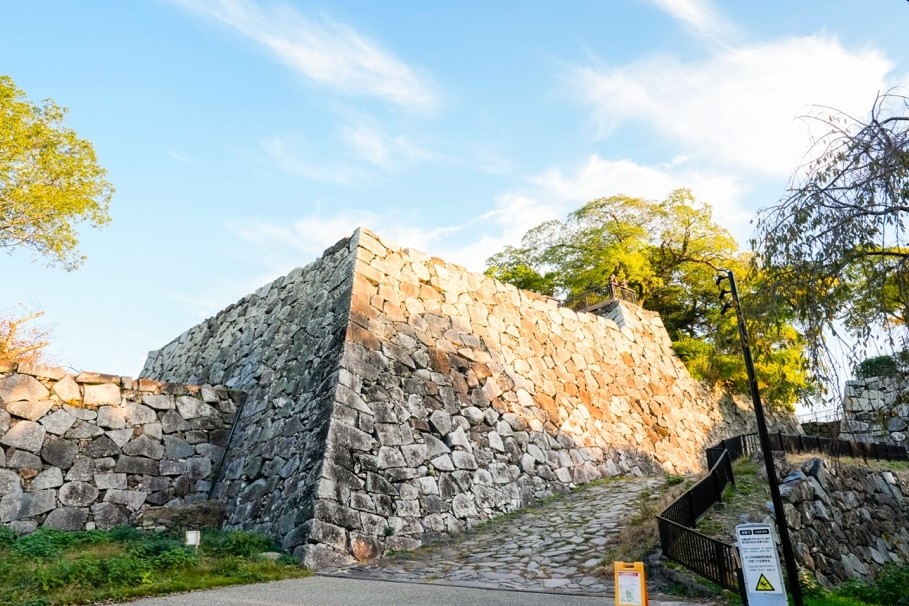
During the Meiji period, the site became military land for the Imperial Japanese Army, and many of the buildings were dismantled and relocated. Fortunately, however, the Tamon-Yagura turret (a Nationally Designated Tangible Cultural Property) and the stone walls remain in their original Edo-period locations. Since the stone walls are laid differently depending on the location, we recommend taking a stroll and comparing them as you go!
A must-see within the castle grounds is the “Shiomi-Yagura” turret, which was restored in the spring of 2025. Although there was already a turret within the castle grounds believed to be the Shiomi-Yagura turret, a 1991 city-commissioned survey revealed that the structure, relocated to Sōfuku-ji Temple during the Meiji period, was, in fact, the authentic Shiomi-Yagura turret. When the authentic Shiomi-Yagura turret was restored within the castle grounds, the existing turret was renamed the Den-Shiomi Yagura and remains on the premises to this day.
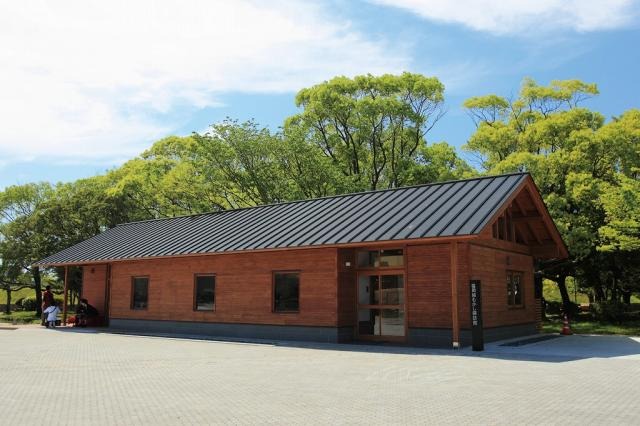
In addition, structures such as the Shimo-no-hashi Gate, and the Najima Gate have been relocated and restored within the castle grounds, helping to preserve the appearance of the original castle. Since the Fukuoka Castle grounds are quite extensive, if you find yourself unsure of where to go, we recommend stopping by one of the visitor’s facilities, Fukuoka Castle History Exploration Hall or Sannomaru Square first.
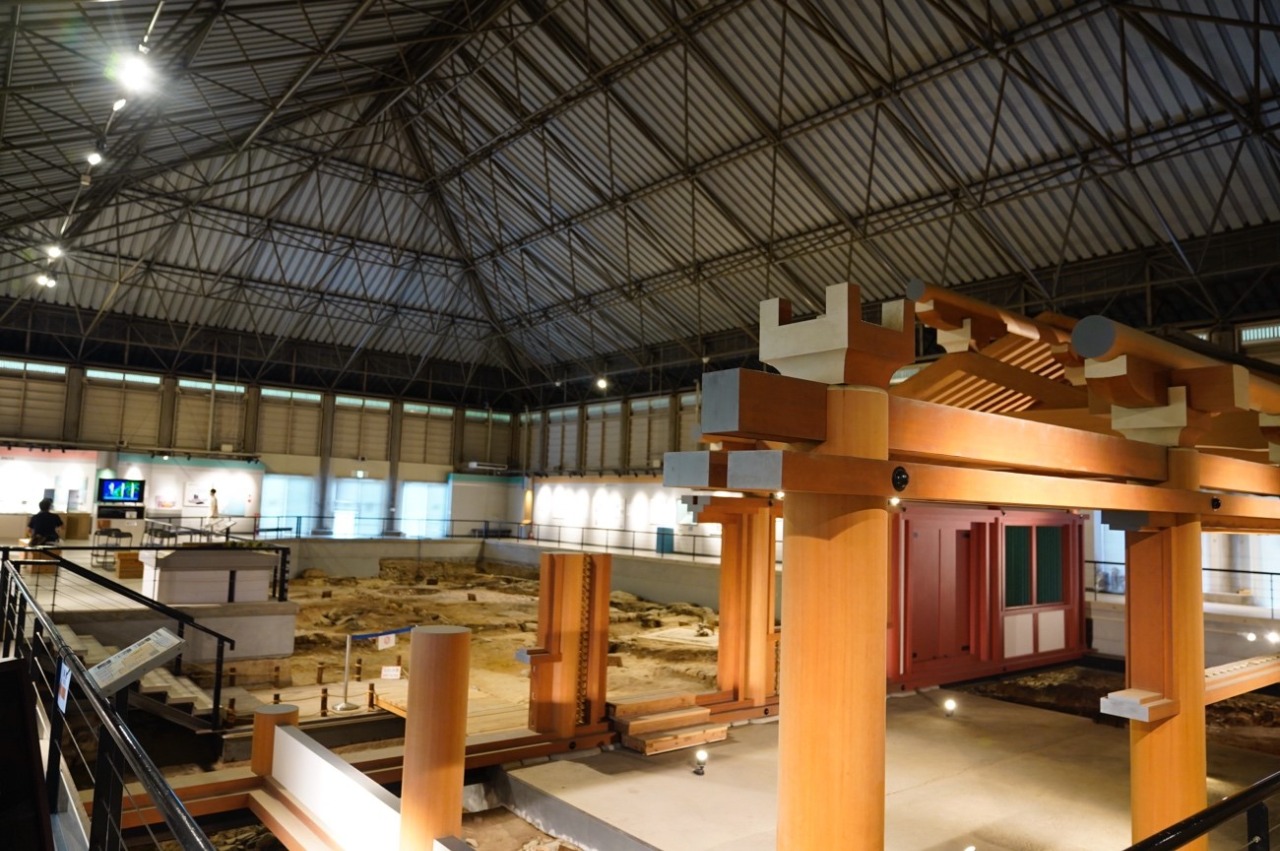
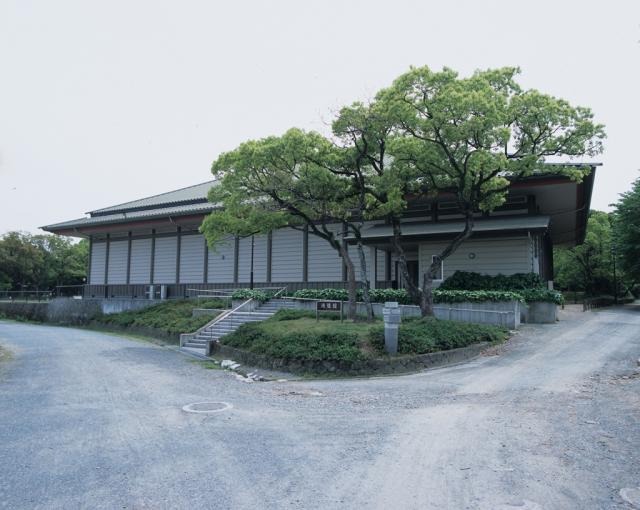
The grounds also house the Kōrokan, an ancient diplomatic facility and a nationally designated historic site, making this a very rare site with two designated historic sites on its premises. At the Kōrokan Exhibition Hall, you can learn about what life was like back then.
The area stretching from the Honmaru (inner citadel) to the Sannomaru (outermost region of the castle) has been developed as Maizuru Park, a beloved relaxation spot for local residents. In spring, the park becomes one of Fukuoka’s classic cherry-blossom viewing destinations. Take a leisurely stroll and experience the history for yourself.
◎Fukuoka Castle Ruins
■Address:
Jonai, Chuo Ward, Fukuoka City, Fukuoka Prefecture
■Access:
About a 5-minute walk from Exits 3 and 5 of Ohori Park Station on the Subway Airport Line
About a 10-minute walk from Exit 2 of Akasaka Station on the Subway Airport Line
■Official Website:
http://fukuokajyo.com/ (Available in Japanese only)
◎Kōrokan Ruins Exhibition Hall
■Address:
1 Jonai, Chuo Ward, Fukuoka City
■Opening Hours:
9:00 AM – 5:00 PM (Last admission at 4:30 PM)
■Closed:
December 29 – January 3
■Phone:
092-721-0282
From Fukuoka Castle’s Outer Moat to a Serene Waterside Oasis
[Ōhori Park] (National Place of Scenic Beauty)
 |
 |
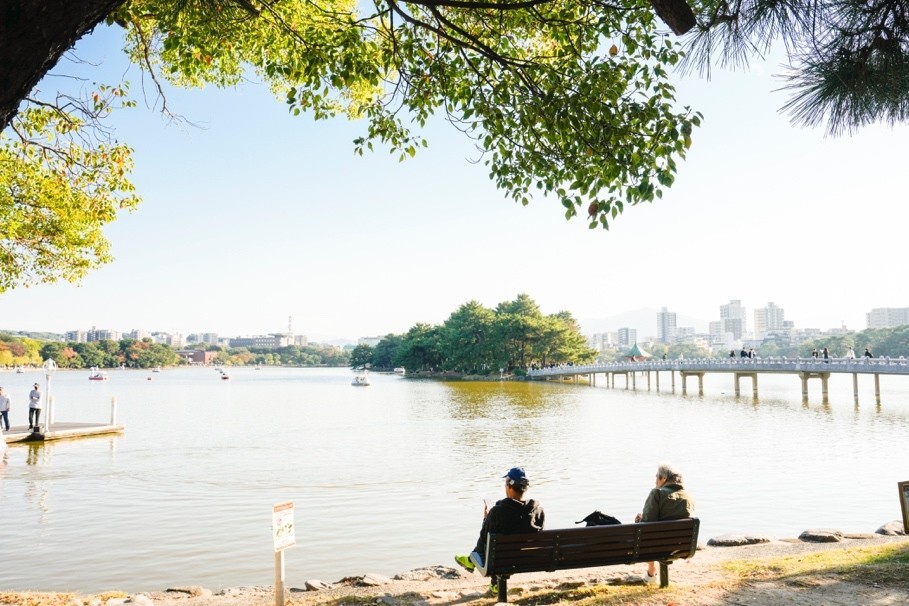
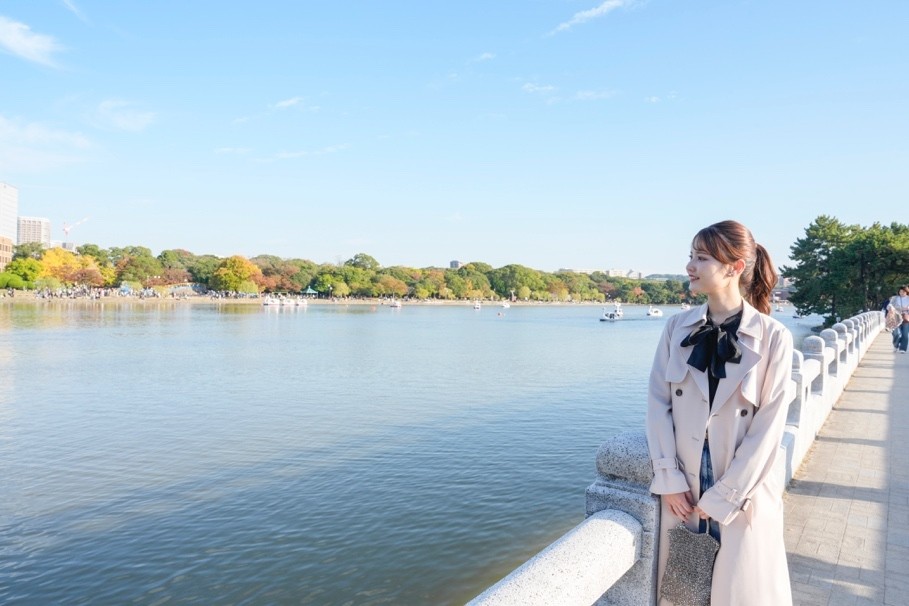
Just a short walk from the Fukuoka Castle Ruins brings you to Ōhori Park, a soothing urban oasis and the pride and joy of Fukuoka. Opened in 1929 after developing the “Ohori” moat that once stretched west of Fukuoka Castle, the entire park is nationally registered as a Place of Scenic Beauty. It has also witnessed the city’s history, having served as a venue for the East Asia Industrial Promotion Exposition before the park’s opening.
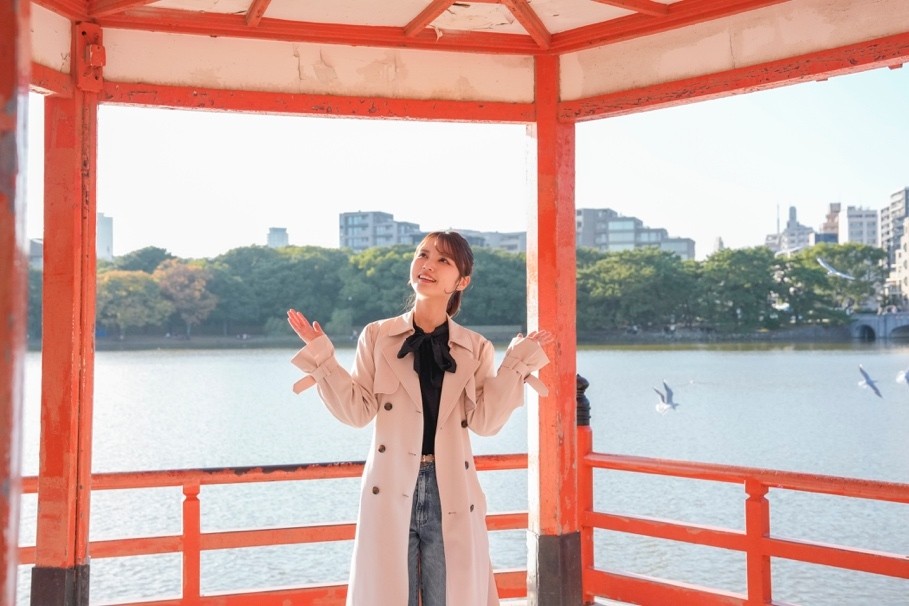
The five bridges found in the moat—Kangetsu Bridge, Shogetsu Bridge, Chason Bridge, Maizuru Bridge, and Ukimi Pavilion Bridge—are designated as Tangible Cultural Properties of the city. Among them, the hexagonal Ukimi Pavilion stands as the park’s iconic symbol. Originally part of the Fukuoka Zoo & Botanical Garden in Higashi Park, it was built for viewing marine animals such as fur seals. After the war, citizens advocated for preserving Ukimi Pavilion, which survived the air raids, leading to its relocation to its current site. It remains carefully preserved today.
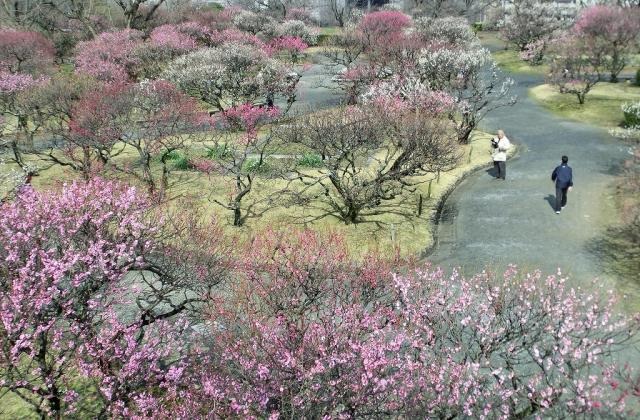
The park also features the Fukuoka Art Museum, a Japanese garden, cafés, and an area with inclusive playground equipment, making it a delightful spot for a leisurely stroll. Joggers, visitors relaxing on benches, picnickers—each enjoys it in their own way. It is a beloved, representative Fukuoka spot for relaxation.
◎Ōhori Park
■Address:
1-2 Ohorikoen, Chuo Ward, Fukuoka City
■Access:
7-minute walk from Ohori Park Station or Tojinmachi Station on the Subway Airport Line
5-minute walk from Kuromon or Ohori Koen (Park) bus stop on Nishitetsu Bus
■Official Website:
https://www.ohorikouen.jp/
Tracing the Origins of “Tenjin”
[Suikyō Tenmangu Shrine]
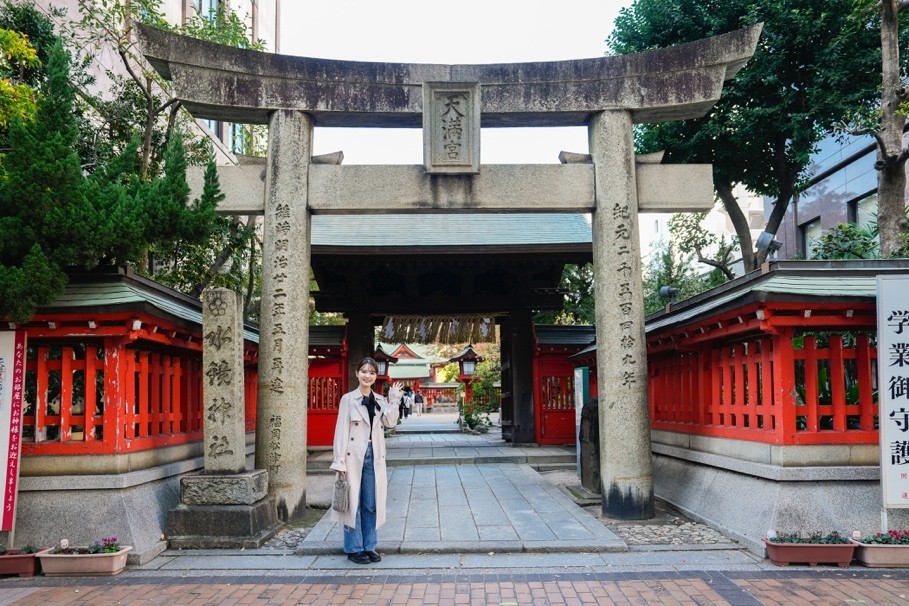
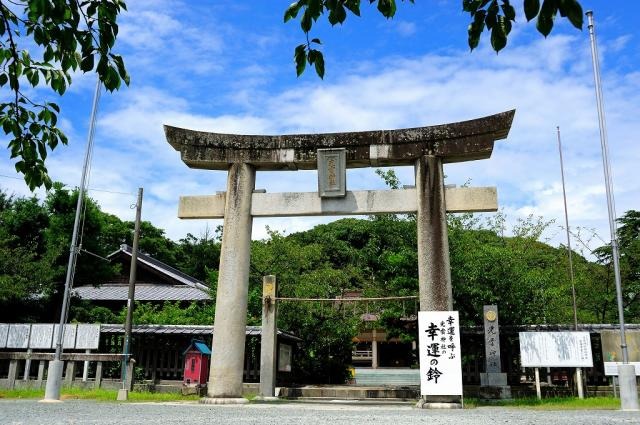
▲The torii gate of Suikyō Tenmangu Shrine. The name tablet is said to have been inscribed by Hirota Koki.
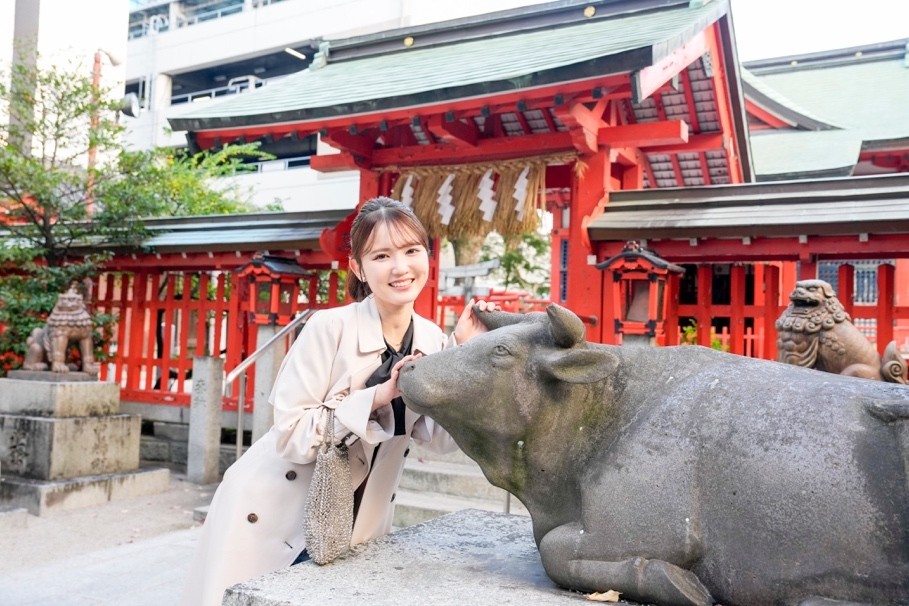
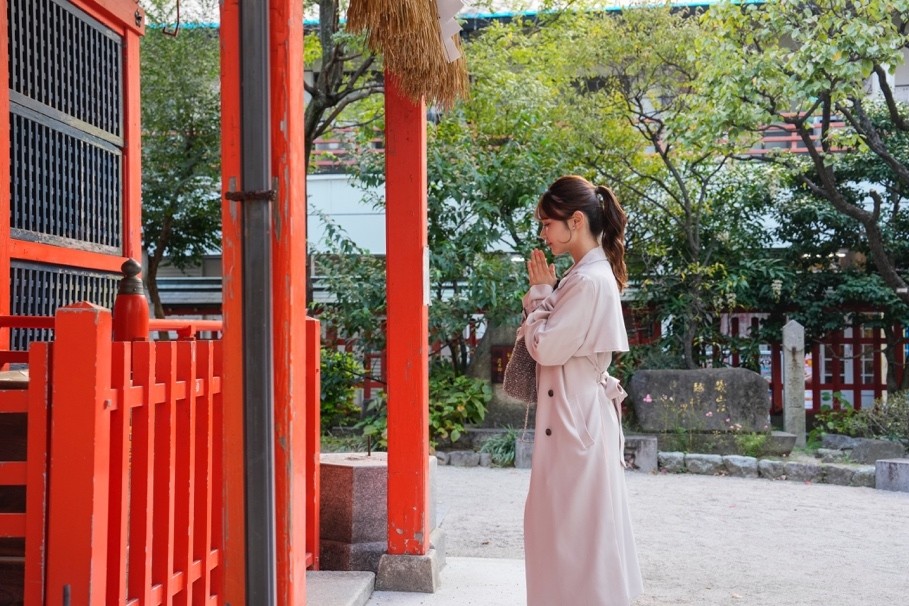
Nestled in a corner of the bustling Tenjin, Suikyō Tenmangu Shrine exudes a sense of calm despite its location in the heart of the city. It enshrines Sugawara no Michizane (Tenjin-sama), who is revered as the deity of learning. According to legend, the shrine’s name (Suikyō meaning “water mirror”) originates from a story in which Michizane, after being demoted and transferred to Dazaifu, saw his emaciated reflection in the river’s surface. The place Tenjin is said to have originated from this shrine.
◎Suikyō Tenmangu Shrine
■Address:
1-15-4 Tenjin, Chuo Ward, Fukuoka City
■Access:
5-minute walk from Tenjin Station on the Subway Airport Line
■Phone:
092-741-8754
A Quiet Path Tracing the History of the Kuroda Family
[Sōfuku-ji Temple]
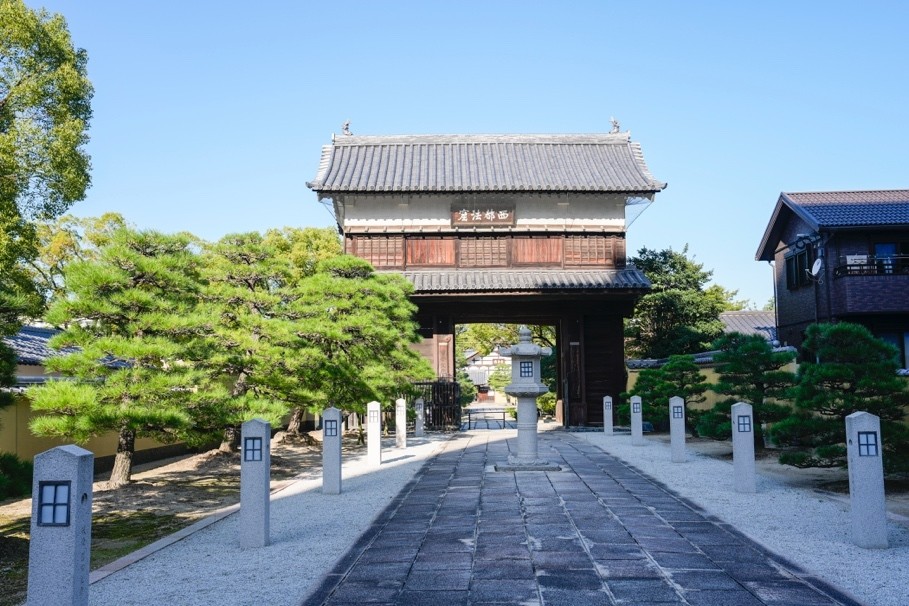
▲Sanmon Gate (Tangible Cultural Property Designated by Fukuoka Prefecture)
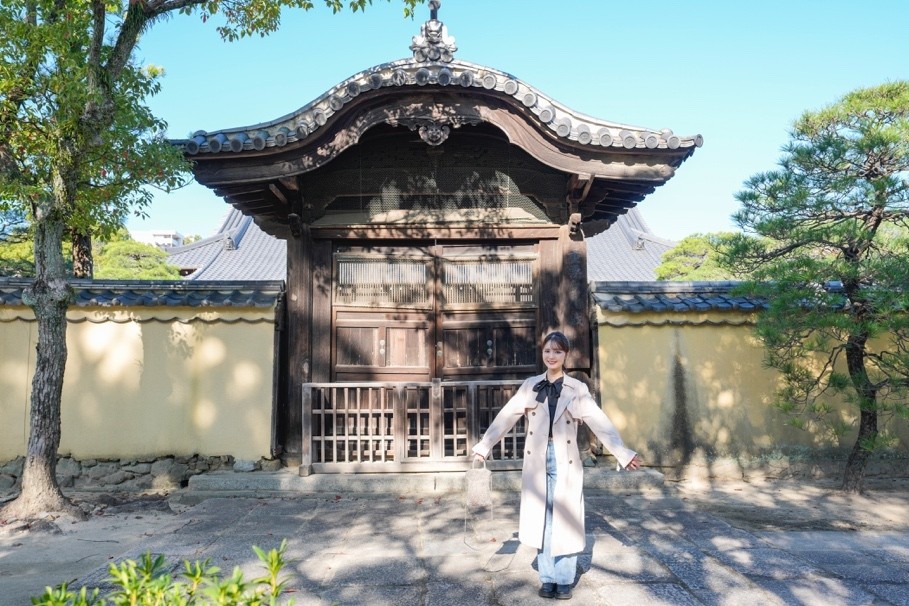
▲Karamon Gate (Tangible Cultural Property Designated by Fukuoka Prefecture)
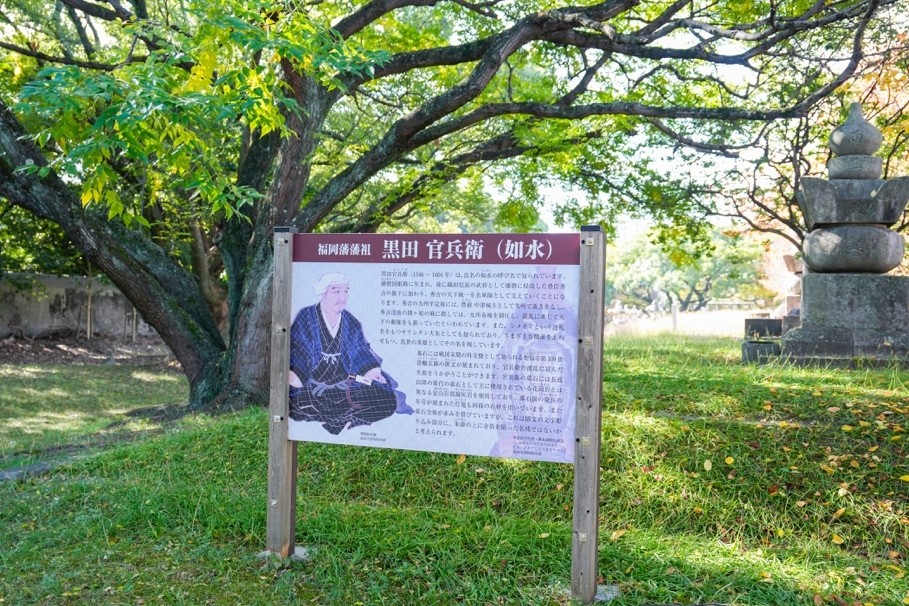
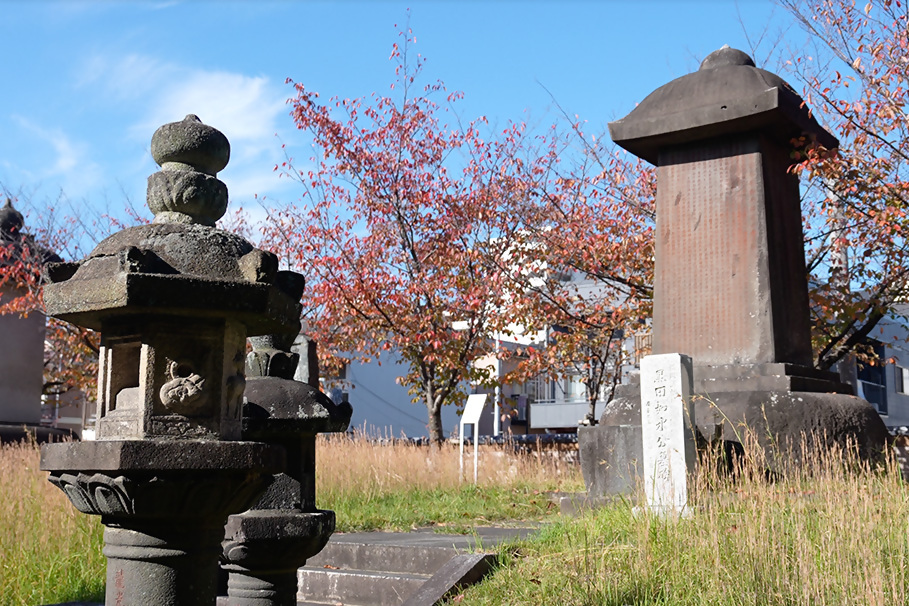
▲Tomb of Kuroda Kanbei
Sōfuku-ji Temple stands quietly a short distance from the bustling city center. A Rinzai-sect temple of the Daitoku-ji school, it bears the traditional temple “mountain name” (sangō) Ōgakuzan. It was founded in 1240 by Tan’e at Yokodake in Dazaifu and was relocated to its current site by Kuroda Nagamasa in 1600. Since then, the temple has served as the Kuroda family’s ancestral temple and has been under their patronage. In the northwest corner of the grounds, tombs have been erected for Kuroda Nagamasa and his father, Kuroda Yoshitaka, alongside the fourth lord, Tsunamasa; the sixth lord, Tsugutaka; the seventh lord, Haruyuki; the ninth lord, Naritaka; their relatives; and the lords of the Nogata Domain. Although the cemetery grounds were significantly reduced due to a large-scale land readjustment project in 1950, the site remains cherished by descendants and citizens alike and was designated as a historical site by the city in 1996.
Sōfuku-ji Temple also houses other cultural properties associated with the Kuroda family. Entering the grounds, the first noticeable structure is the large Sanmon (main temple gate). Originally, it served as the main gate of Fukuoka Castle’s Honmaru (the castle’s inner citadel) and was transferred to Sōfuku-ji during the Taisho period. Moreover, the Karamon gate, originally from Najima Castle, is the oldest of its kind in the city. It is thought to have been built during the Momoyama period (1573 – 1603) and renovated during the Edo period (1603 – 1868). Both structures are designated as tangible cultural assets by Fukuoka Prefecture.
Walking through the quiet precincts, it feels as if the flow of time slows.
◎Sōfuku-ji Temple
■Address:
4-7-79 Chiyo, Hakata Ward, Fukuoka City
■Access:
About a 3-minute walk from Chiyo-Kenchoguchi Station on the Subway Hakozaki Line
About a 5-minute walk from the “Chiyo-machi” bus stop on Nishitetsu Bus
*The Kuroda Clan Graveyard is open to the public from 10:00 AM to 4:00 PM on Saturdays and Sundays, except during the year-end and New Year holidays. Please enter through the North Gate of the graveyard (access from the Sōfuku-ji Temple side is not permitted). For more details, please visit the Cultural Properties in Fukuoka website (Available in Japanese only)
To the Temple of Prayer, Where the Kuroda Family’s Memories Live On
[Tochoji Temple]
 |
 |
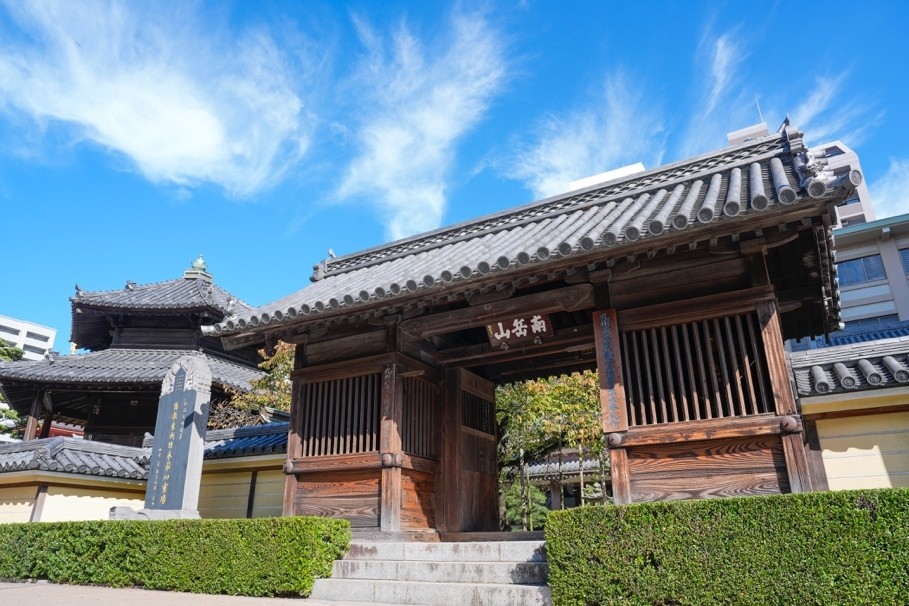
Tochoji Temple is the head temple of the Shingon Buddhism Kyushu Sect, with a long history and distinguished lineage. Its mountain name is Nangakuzan, and its principal image is Kōbō-Daishi (Kukai). According to the temple’s history, the temple is said to have been founded in 806, by Kōbō-Daishi, upon returning from Tang China with the prayer for the eastward dissemination of esoteric Buddhism.
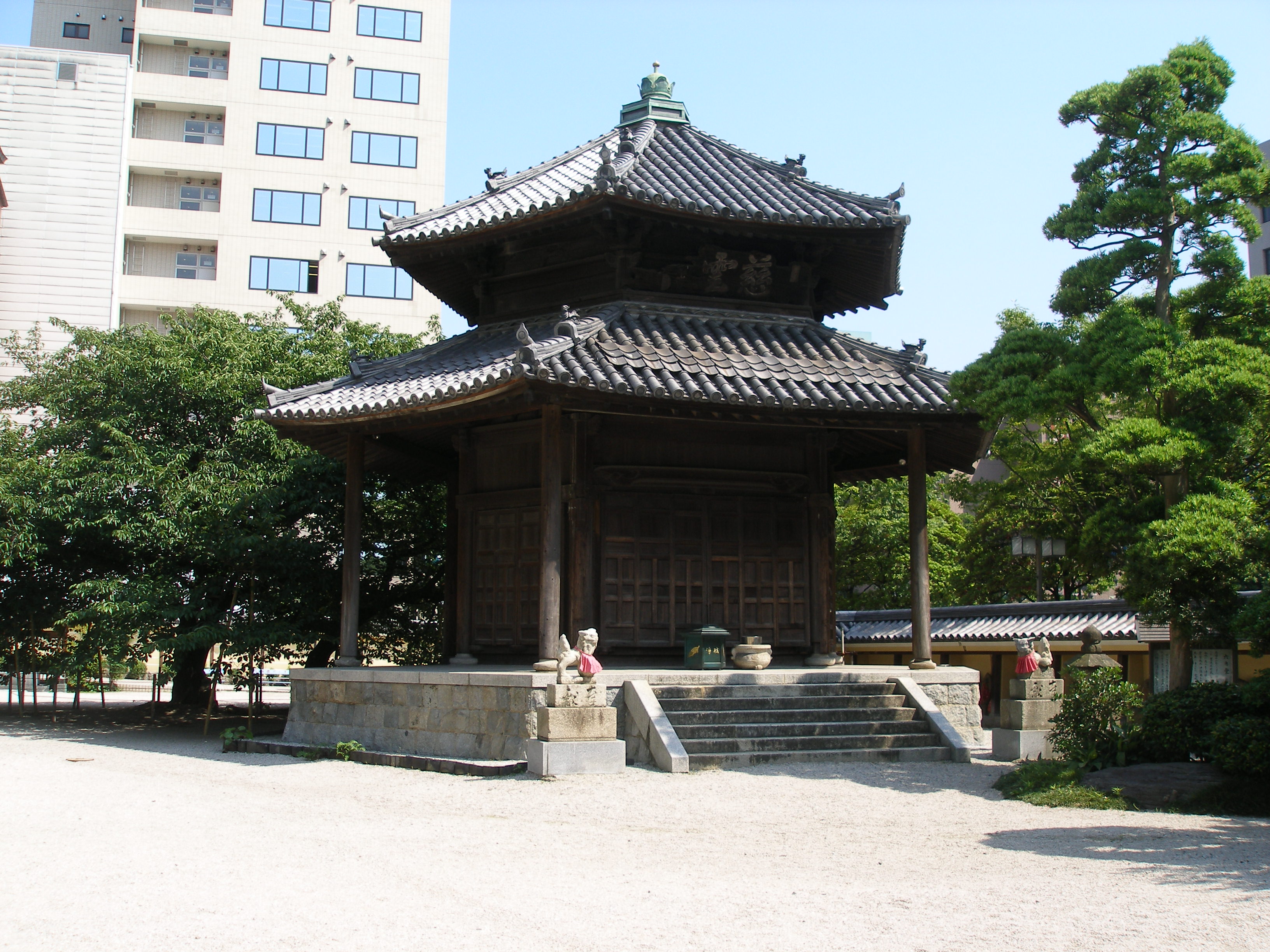
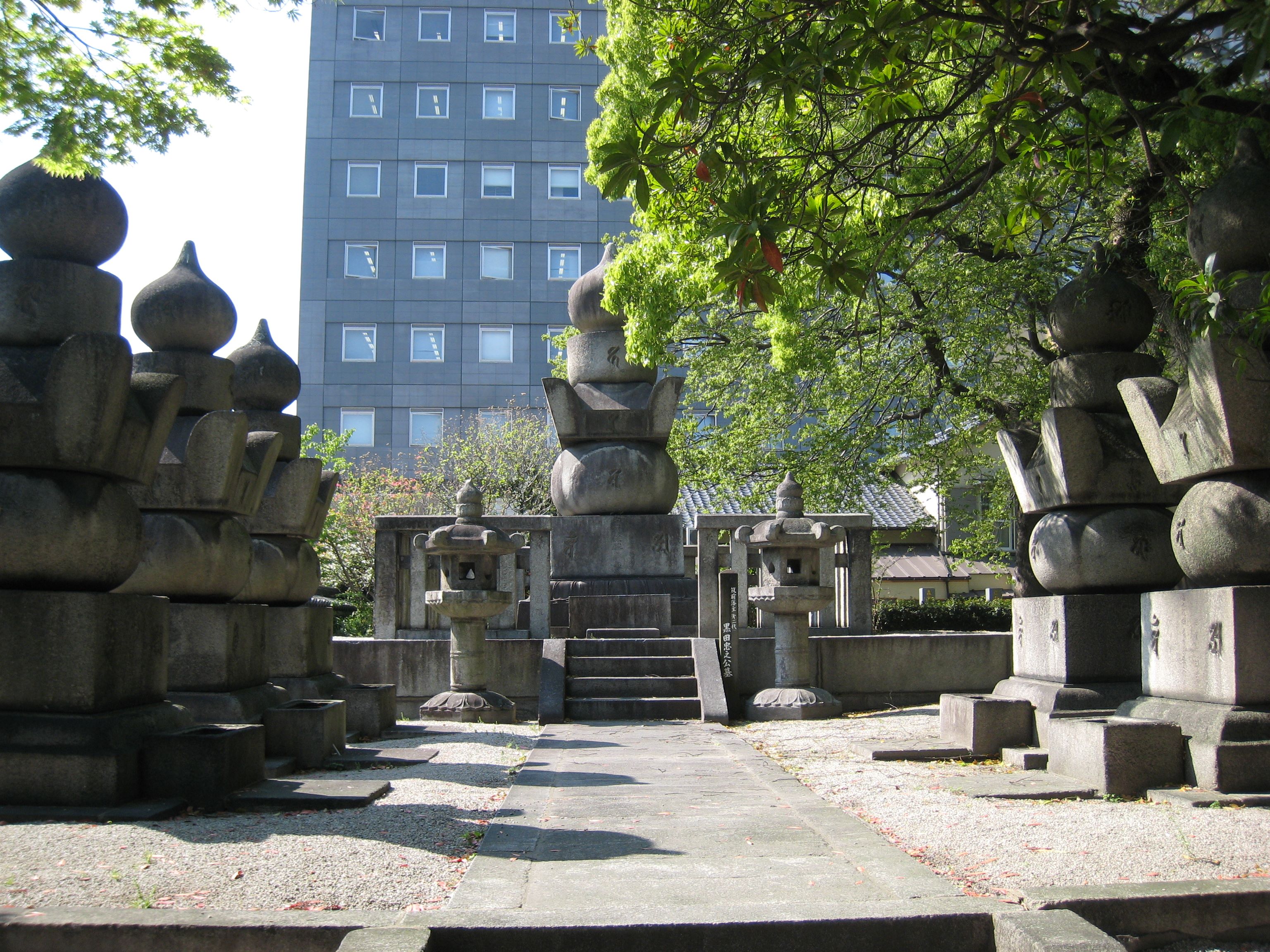
The cemetery on the temple grounds houses the graves of Tadayuki (2nd lord), as well as Mitsuyuki (3rd lord), and Harutaka (8th lord), and is designated as a Municipal Historic Site. The temple is also rich in cultural assets and highlights, including a Heian-period Thousand-Armed Kannon statue designated as a National Important Cultural Property, and the Rokkakudo Hexagonal Hall, a Municipal Tangible Cultural Property. In 1992, the Fukuoka Daibutsu (Great Buddha of Fukuoka), Japan’s largest wooden seated Buddha statue, was completed, with a treasure exhibition hall standing beside it. Beneath the Fukuoka Daibutsu’s pedestal, visitors can experience the “Hell & Paradise Tour,” where you navigate in complete darkness. Feeling your way along the pitch-black path with zero visibility is thrilling, and legend has it that touching the Buddha’s Ring along the way grants entry to paradise!
◎Tochoji Temple
■Address:
2-4 Gokushomachi, Hakata Ward, Fukuoka City
■Access:
About a 1-minute walk from Gion Station on the Subway Airport Line
The Enduring Spirit of Traditional Hakata Craftsmanship
[Hakata Traditional Craft and Design Museum]
 |
 |
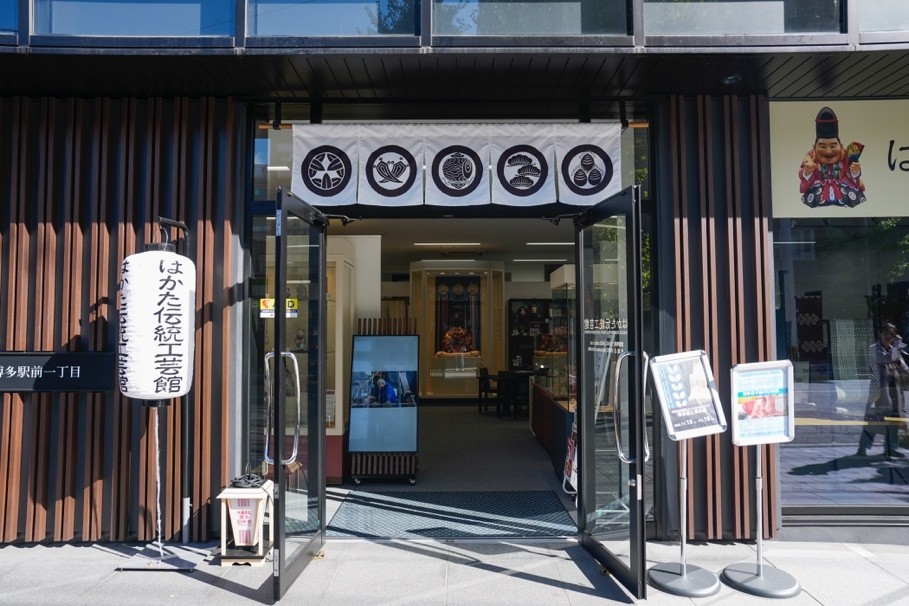
▲Relocated and reopened on Jōtenji-dōri Avenue, Hakata Ward
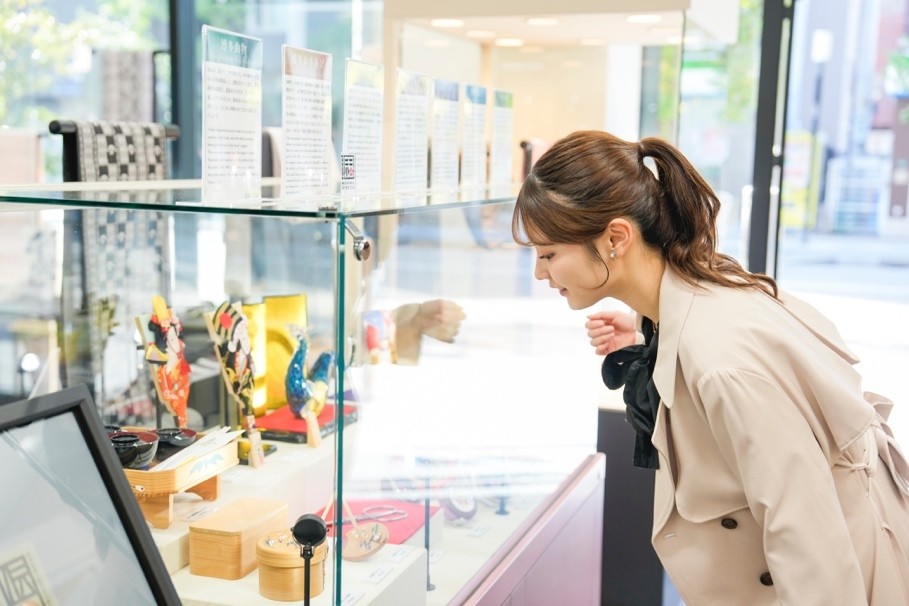
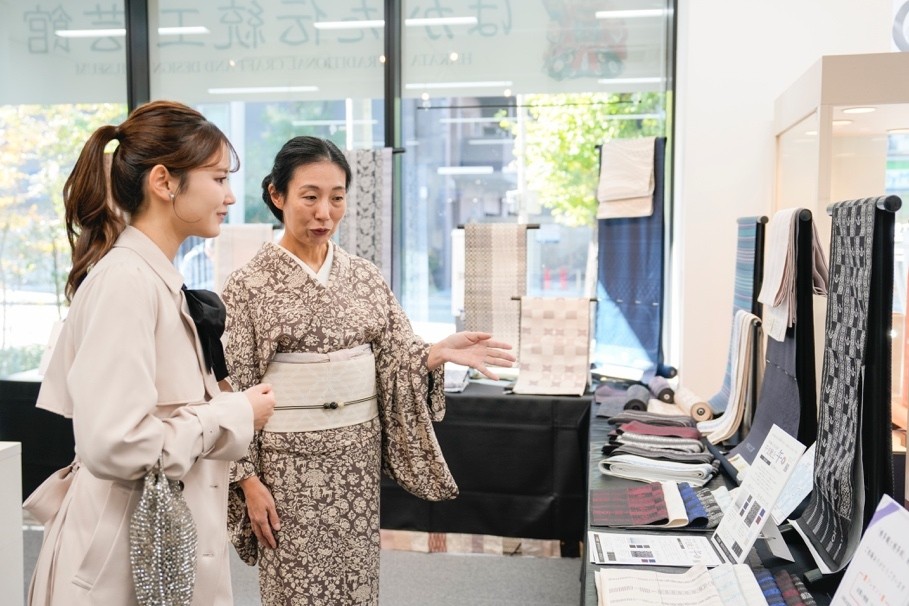
The Hakata Traditional Craft and Design Museum is a place where a wide range of Fukuoka and Hakata traditional crafts come together, including Hakata-ori textiles and Hakata dolls.
Inside, you’ll find a splendid array of works that showcase artisanal skills passed down through generations. From masterpieces demonstrating intricate techniques to charming pieces that bring a smile to your face, just seeing them is already a delight. Here, you can discover works that blend traditional techniques with the fresh sensibilities of contemporary artists.
Beyond the displays, the museum offers a selection of crafts for sale as well as hands-on programs. It’s a place where you can enjoy the region’s historic craftsmanship up close and personal.
◎Hakata Traditional Craft and Design Museum
■Address:
1F Park Front Hakata Ekimae 1-Chome, 1-23-2 Hakata Ekimae, Hakata Ward, Fukuoka City
■Access:
6-minute walk from Hakata Station on the Subway Airport Line
■Opening Hours:
10:00 AM – 6:00 PM (Last admission at 5:30 PM)
■Closed:
Wednesdays (or the following day if Wednesday is a holiday); Dec 29 – Jan 3
■Phone:
092-409-5450
■Official Website: https://hakata-dentou-kougeikan.jp/
Immerse Yourself in Nostalgic Hakata
[Hakata Machiya Folk Museum]
 |
 |
 |
 |
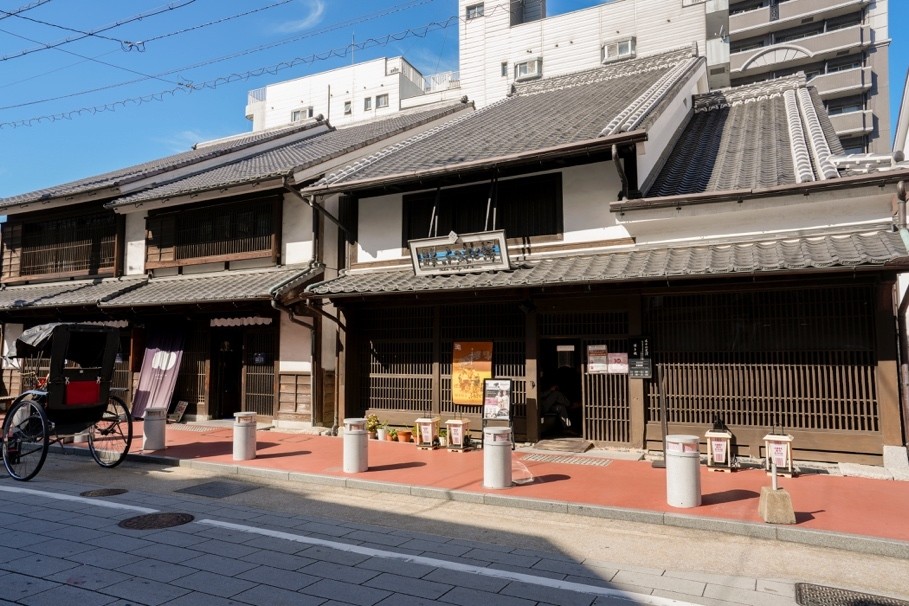
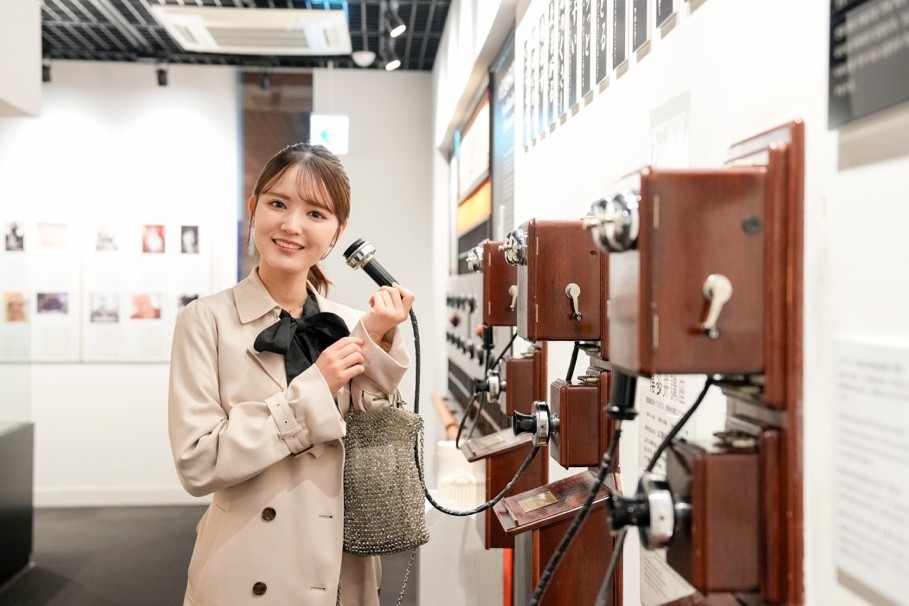
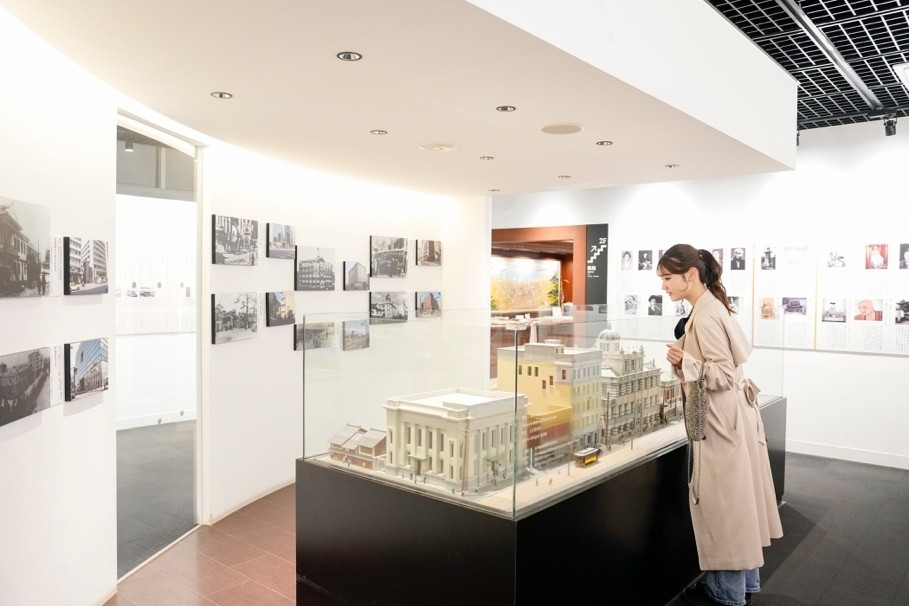
Our final stop is the Hakata Machiya Folk Museum, where you can step back in time to life in Hakata during the Meiji and Taisho eras. The Machiya structure is a relocated and restored townhouse that was once the home and workplace of a Hakata-ori textile weaver, giving a glimpse into everyday life of the past.
There are also plenty of activities to create lasting memories, such as Hakata-ori textile weaving demonstrations and hand-weaving experiences.
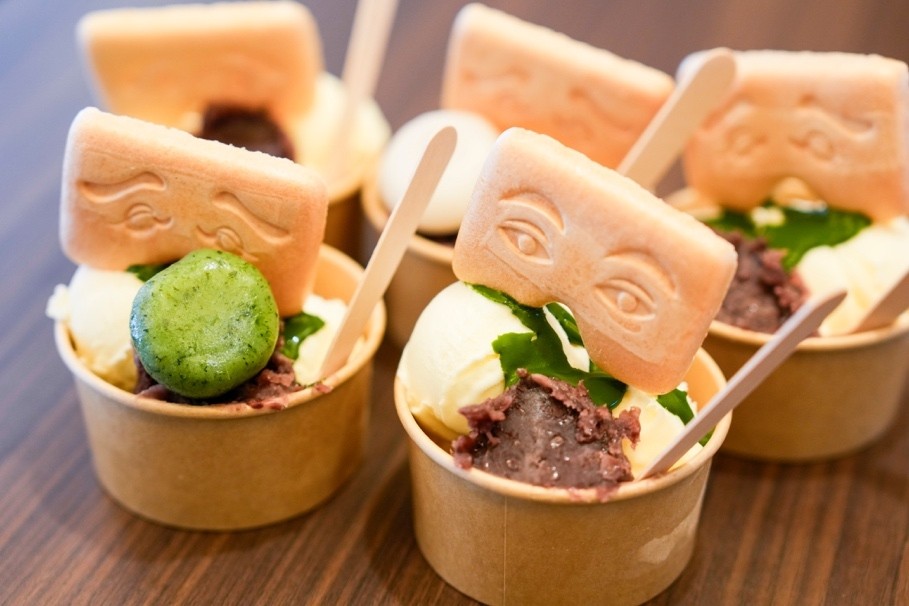
The souvenir building offers goods featuring Hakata motifs, perfect for finding unique keepsakes. On this visit, Ayana enjoyed some Niwaka Monaka Ice Cream at the on-site café – a great place to unwind and feel at ease in a cozy, nostalgic atmosphere.
◎Hakata Machiya Folk Museum
■Address:
6-10 Reisenmachi, Hakata Ward, Fukuoka City
■Access:
4-minute walk from Kushida Shrine Station on the Subway Nanakuma Line
6-minute walk from Gion Station on the Subway Airport Line
■Opening Hours:
10:00 AM – 6:00 PM
■Closed:
4th Monday of the month (if it falls on a holiday, the following weekday)
■Phone:
092-281-7761
■Official Website:
https://hakatamachiya.com/
Check the official website for details regarding the available experiences, including schedules and fees. (Available in Japanese only)
In addition to the places introduced in this article, traces of the Kuroda family, lords of the Fukuoka Domain, can be spotted throughout the city. We invite you to explore the living history of Fukuoka, which has been present in the city from around 400 years ago to the present day.
◎List of visited spots
・Fukuoka Castle Ruins
・Kōrokan Ruins Exhibition Hall
・Ōhori Park
・Suikyō Tenmangu Shrine
・Sōfuku-ji Temple
・Tochoji Temple
・Hakata Traditional Craft and Design Museum
・Hakata Machiya Folk Museum