A Quiet Journey through Time
- Date
Share


Join Fukuoka’s Goodwill Ambassadors and explore the city’s rich history and culture.
Exploring Fukuoka with the Goodwill Ambassadors!
A Tour Through Historic and Cultural Sites
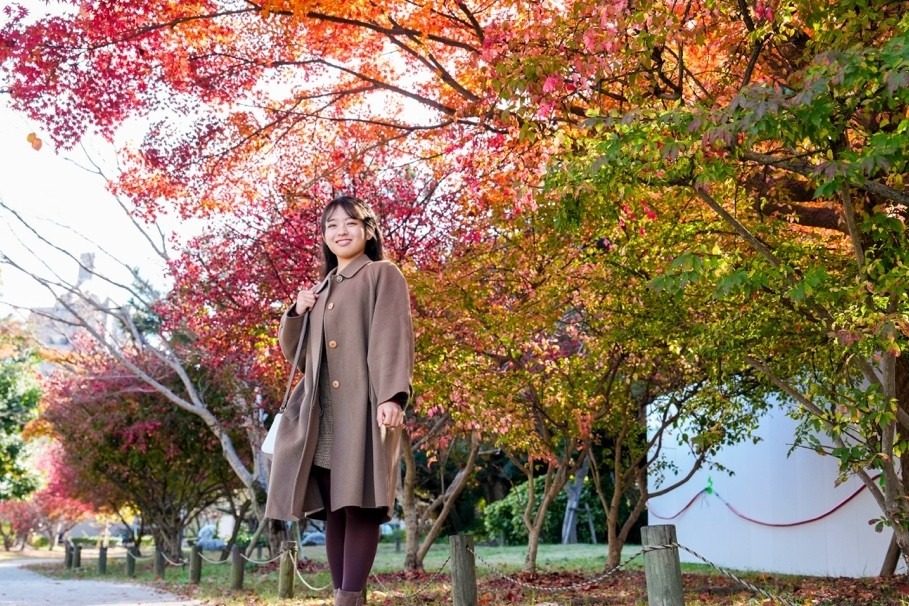
Join Fukuoka’s Goodwill Ambassadors and explore the city’s rich history and culture. Discover not only the classic spots, but also deeper stories, and overlooked views you might have missed. Spend your next day off uncovering Fukuoka’s historical treasures for a truly special experience!
.jpg)
▲2024–2025 Fukuoka Goodwill Ambassadors (Honoka Ueda (left in photo), Ayana Takahashi (center in photo), Narumi Kunisaki (right in photo))
For our seventh episode, we explore the southern area with Honoka Ueda.
A Quiet Journey through Time
Just a hop, skip, and a jump from central Fukuoka City is an area that gives off an intellectual, tranquil atmosphere. This quiet neighborhood with an abundance of green is dotted with spots where visitors can trace the varied history, prayers, and daily lives of its people. Take a stroll at a more leisurely pace than normal and embark on a journey to get a sense of the peaceful flow of time.
A renowned temple that sits quietly amid Mother Nature[Aburayama Kannon Shokaku-ji Temple]
 |
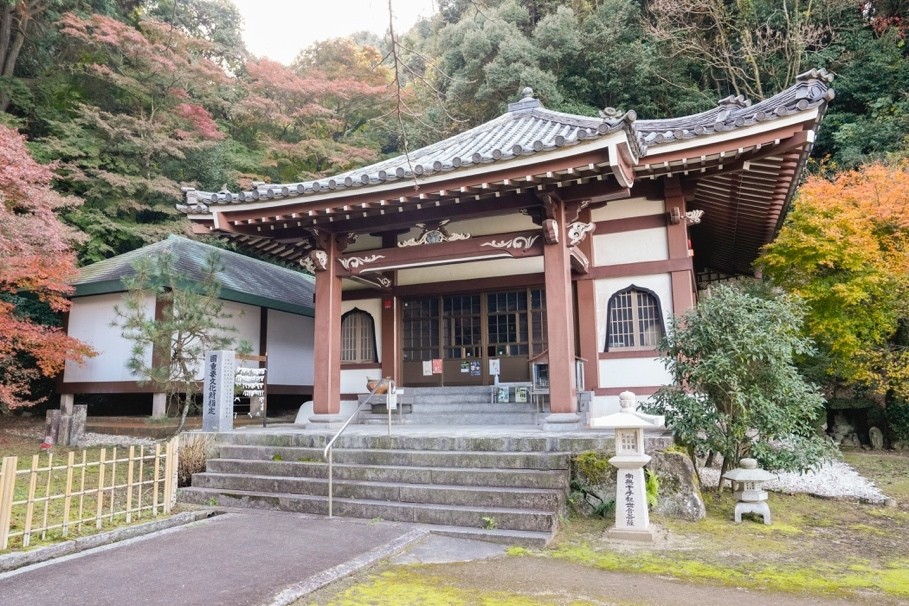 |
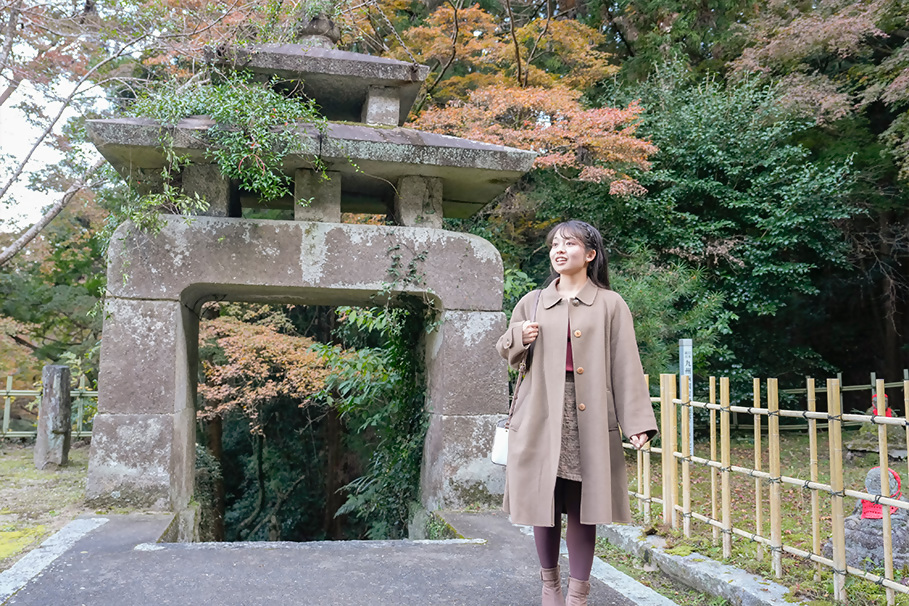
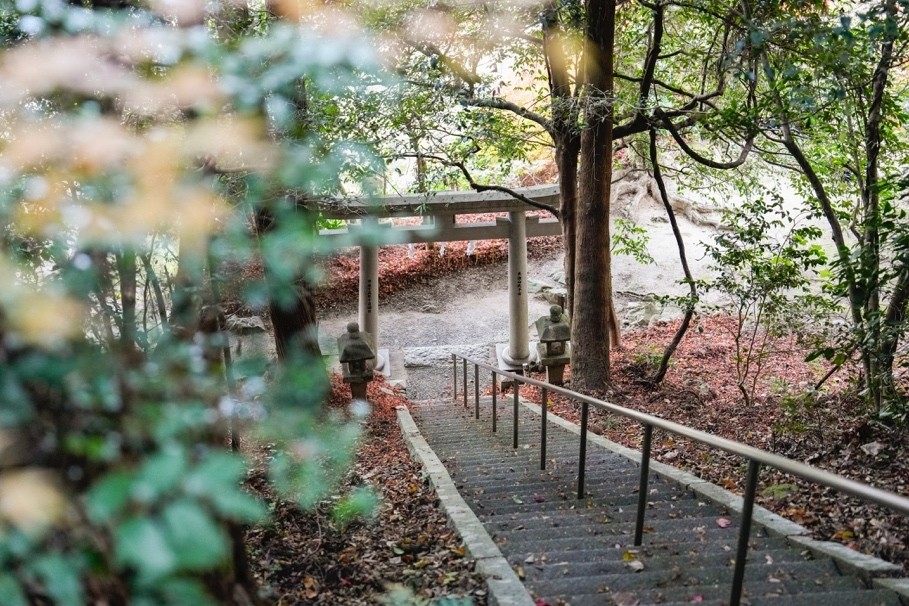
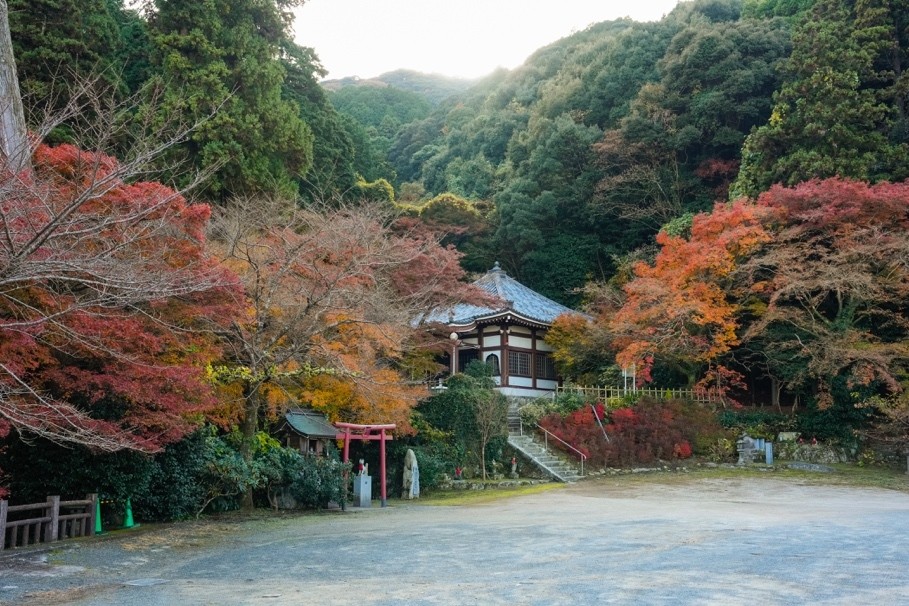
Located on the slopes of Mt. Abura not far from the center of Fukuoka City is Aburayama Kannon Shokaku-ji Temple. This temple belongs to the Tofuku-ji Sect of the Rinzai School’s branch. The honorific name of the mountain associated with it is Higashiaburayama. It is said that the temple’s origins date back to roughly the 8th century, when the Indian monk Seiga Shonin built a hermitage on the mountain and carved a statue of the Thousand-Armed Kannon on a white camellia tree. The name “Aburayama,” which literally means “mountain of oil,” is also said to originate from the fact that Seiga Shonin pressed oil from the camellias and sesame plants that grow in abundance on the mountain and sent it to various temples to be used as lamp oil.
In the Middle Ages, the temple flourished with rows of monks’ quarters, and even maintained a contingent of monk-soldiers. However, it was destroyed by fire in the Sengoku era, the result of the ravages of war. It was subsequently rebuilt in 1694 and renamed “Shokaku-ji,” which remains part of its name today.
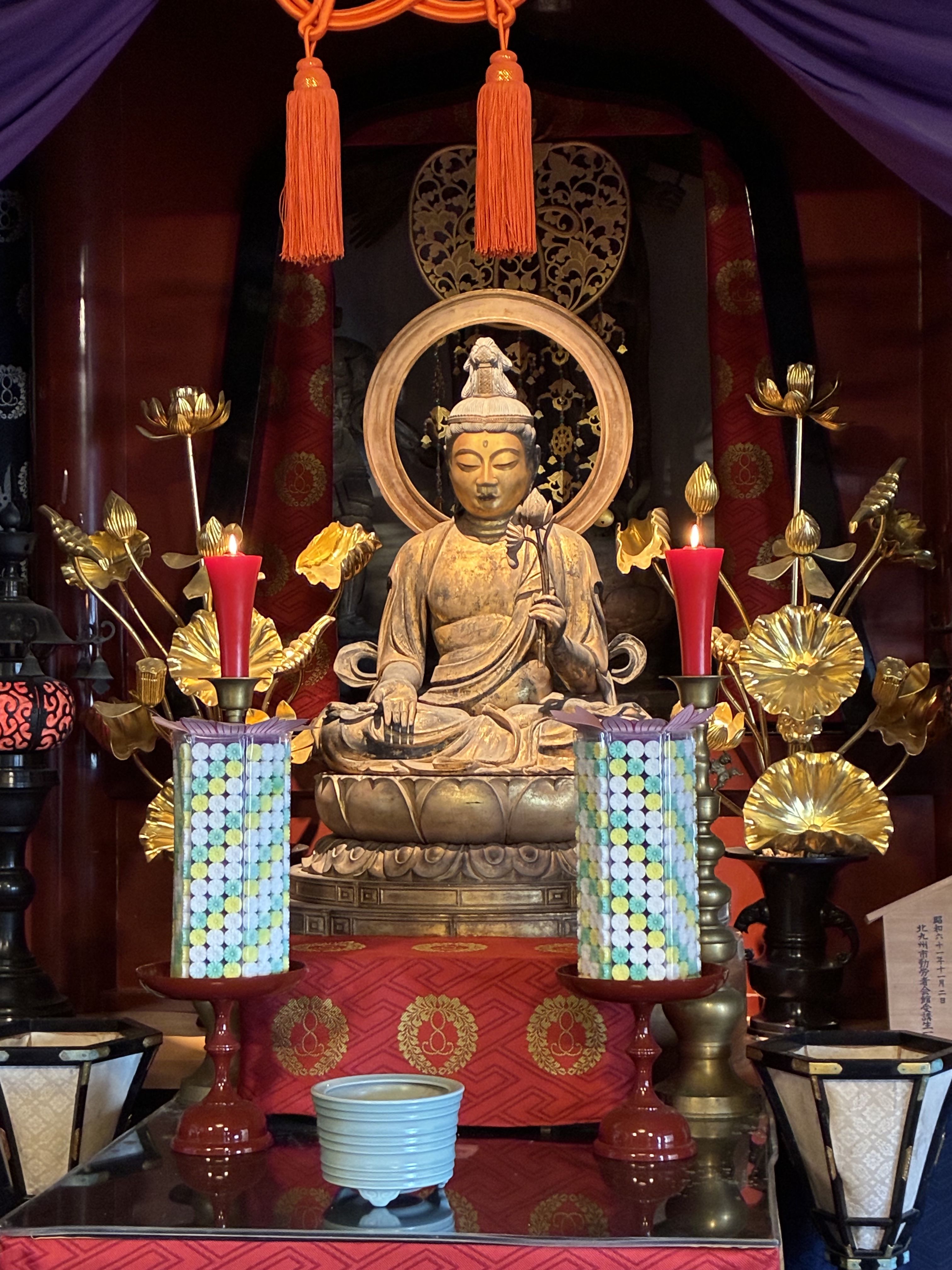
▲The Seated Statue of the Holy Kannon, the main deity enshrined in this temple (National Important Cultural Property)
The Seated Statue of the Holy Kannon, known as the main deity enshrined in the temple, is believed to have been created in the Heian period, and has been designated a National Important Cultural Property. While it is not usually on public display, we were given this special opportunity to view it. The compassion of Kannon is clearly expressed by the statue’s gentle smile.
In addition, the temple grounds contain numerous highlights that include a Silla-style stone gate constructed using ancient Korean techniques that is said to have been built in 1890 and stone statues of the Sixteen Arhats said to have been donated in 1801. When autumn arrives, the maple and ginkgo trees on the temple grounds turn a beautiful shade of red, making it a pleasant place just to walk through.
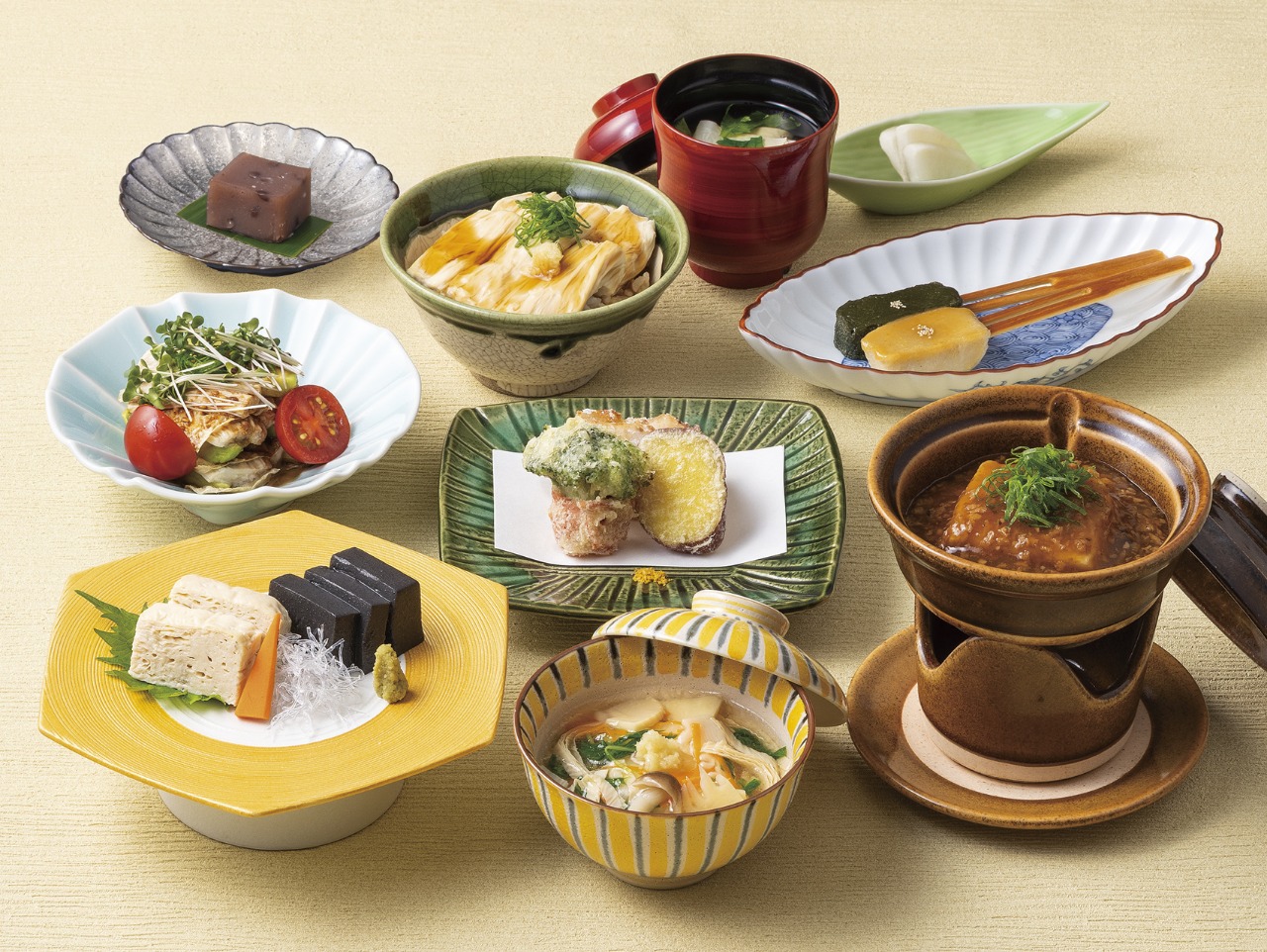
Aburayama Kannon Shokaku-ji Temple is currently offering a Zen meditation experience that includes a vegetarian Buddhist meal and easy-to-understand explanations for beginners. Visitors are highly encouraged to try it.
◎Aburayama Kannon Shokaku-ji Temple
■Address: 508 Higashiaburayama, Jonan Ward, Fukuoka City
■TEL: 092-861-4006
■Access: Parking area available
■Website:
aburayama-kannon.jp
Experience the changing of the seasons
[Yūsentei Park] (City-Designated Place of Scenic Beauty)
 |
 |
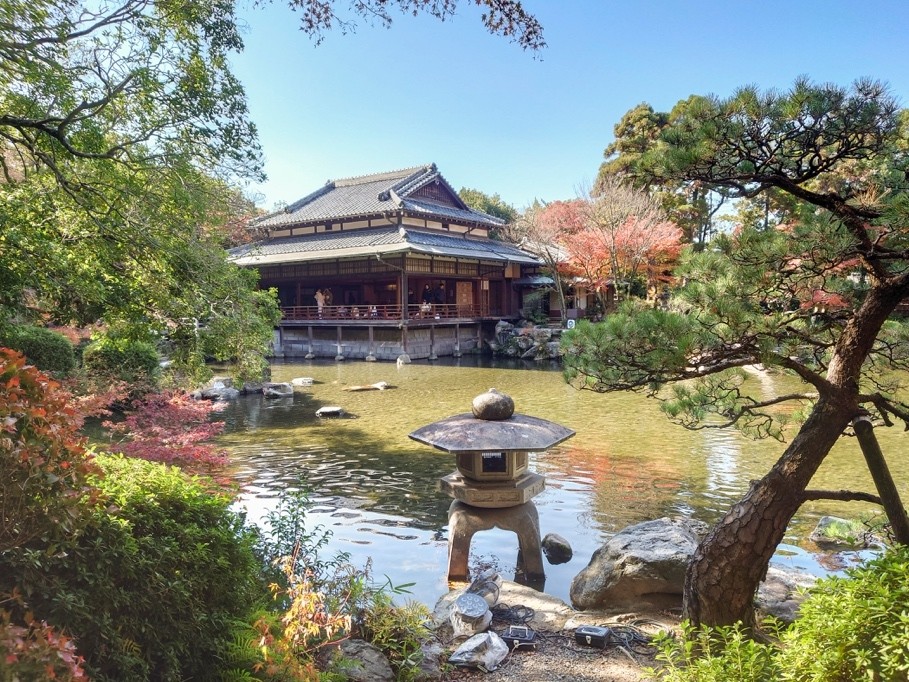
The origins of Yūsentei Park, which stands tranquilly in the middle of a residential neighborhood, date back to the Edo period, when Kuroda Tsugutaka, the sixth lord of the Fukuoka Domain, established a villa that bore the name “Yūsentei.” The site at the time was vast in size, stretching from what is present-day Torikai in Chuo Ward in the north to Higashiaburayama in Jonan Ward. During the Meiji period, the site underwent a series of changes in ownership, and with it, frequent alterations to its buildings and gardens. The current main house dates from the Showa period, when it was used as a villa by the Kaijima family. All that remains of the buildings from the Edo period are a handful of foundation stones. After ownership of the site was transferred to Fukuoka City, it was developed into the city’s first chisen kaiyu-style garden, a strolling garden centered around a pond, and opened to the public as “Yūsentei Park” in 1981.
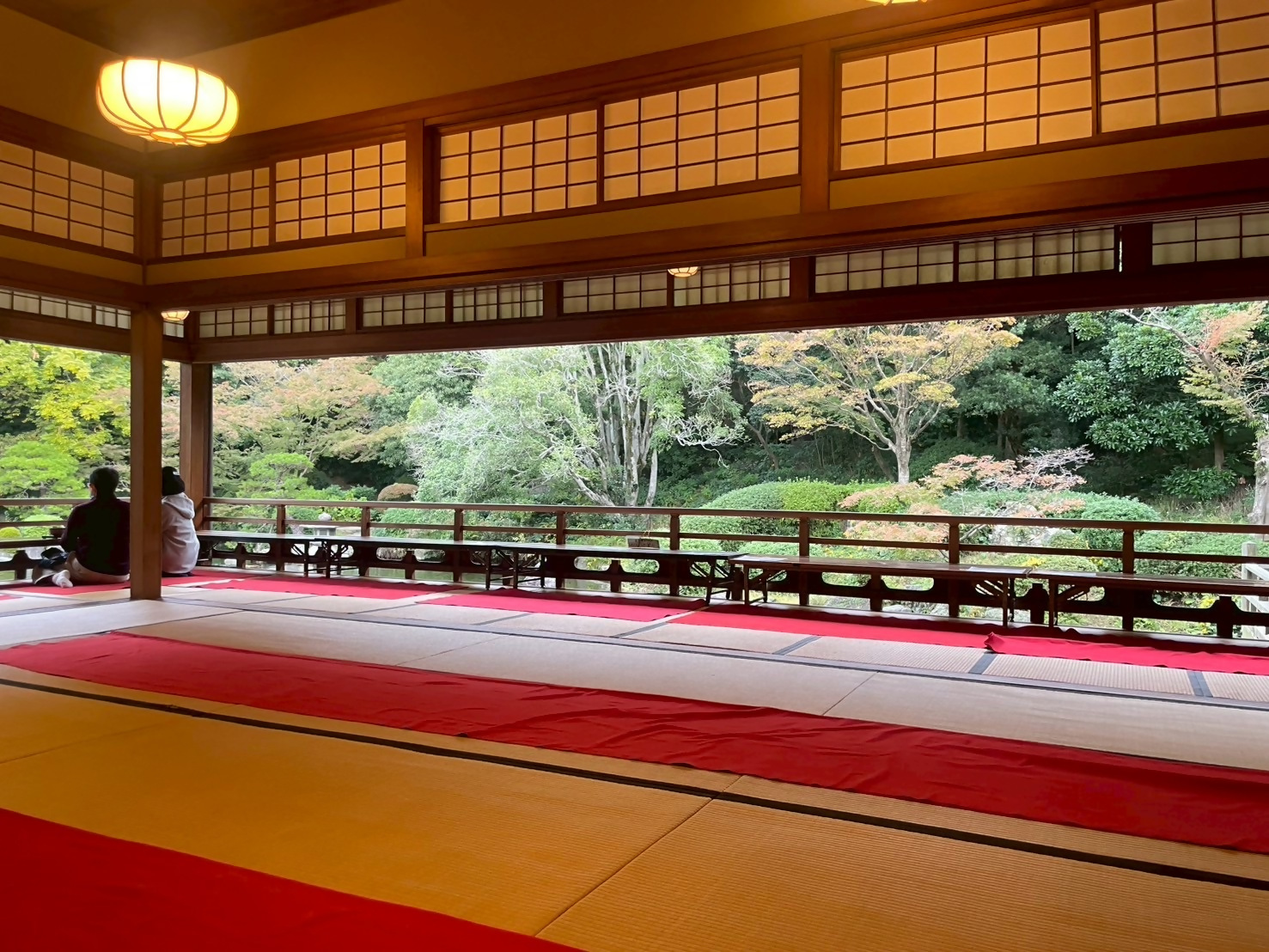
The main highlight of the park is the grand hall built to face the pond in order to provide a magnificent view. The use of pillars has been kept to a minimum so that visitors can fully take in the scenery. The roof of the main building is covered with Ichimonji tiles, which have a heavy, substantial feel and straight-edged bottoms. It is said that the architect went to considerable lengths to ensure that a limited number of pillars could support the great weight of the tiles.
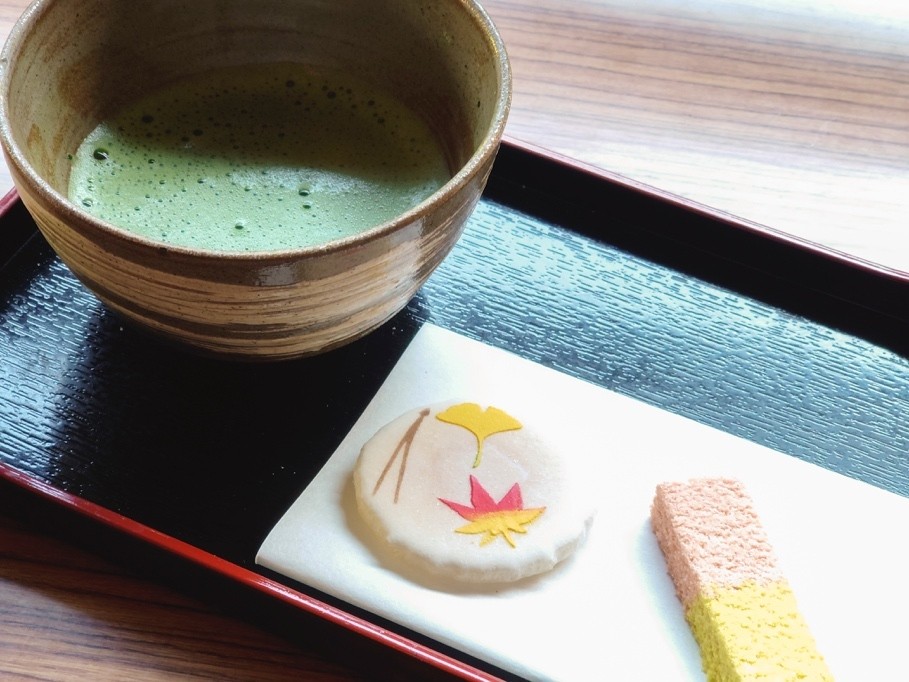
When in the grand hall, visitors are recommended to enjoy some matcha tea and confectionaries. Taking a break with matcha tea while watching the seasons change creates a gentle moment that makes you want to take a deep breath.
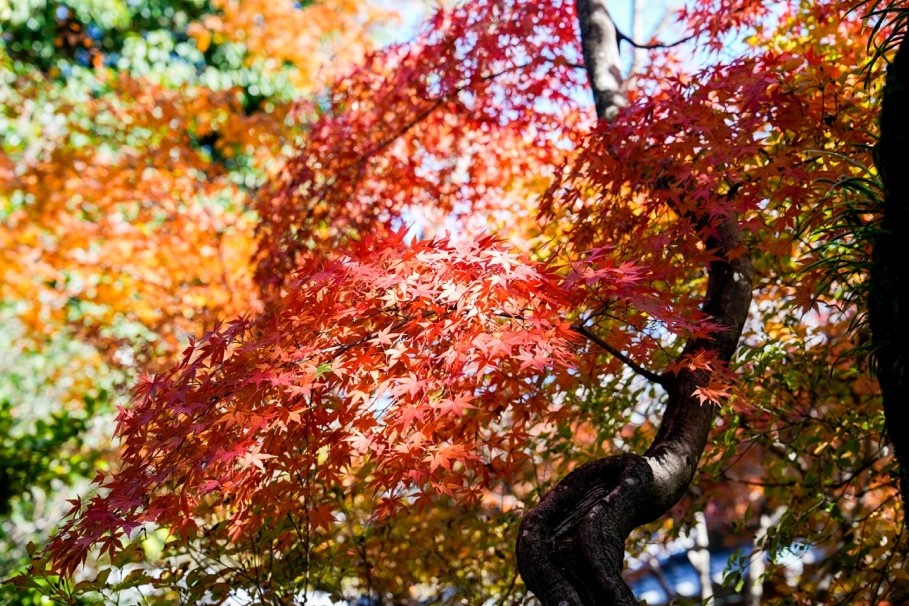
The park, which currently spans roughly 3,000 tsubo (approximately 9,900 sqm), is a traditional Japanese garden where trees and shrubs are lined around a central pond, enabling visitors to get a feel of the charm of the four seasons. A fine example of the harmonious blend between a daimyo lord’s garden and modern architecture, the park was designated a Place of Scenic Beauty by Fukuoka City in March 1998. Simply strolling around the inside of the park while listening to birds chirp inspires unexplainable feelings of calm.
◎Yūsentei Park
■Address:
1-46 Yūsentei, Jonan Ward, Fukuoka City
■Closed:
Mondays (or on Tuesday when the preceding Monday is a national holiday)
■Entrance fee:
200 yen for adults/100 yen for children
■Access:
A 5-minute walk from the “Yūsentei” stop/ A 10-minute walk from the “Yūsen Chugakko” (Yūsen Junior High School) stop on the Seitetsu Bus route
Parking available
■TEL:
092-711-0415
■Website (Japanese language only):
https://yusentei.fukuoka-teien.com/
The site of a hermitage of a poet who lived through turbulent times
[Hirao Sansō] (City-Designated Historic Site)
 |
 |
 |
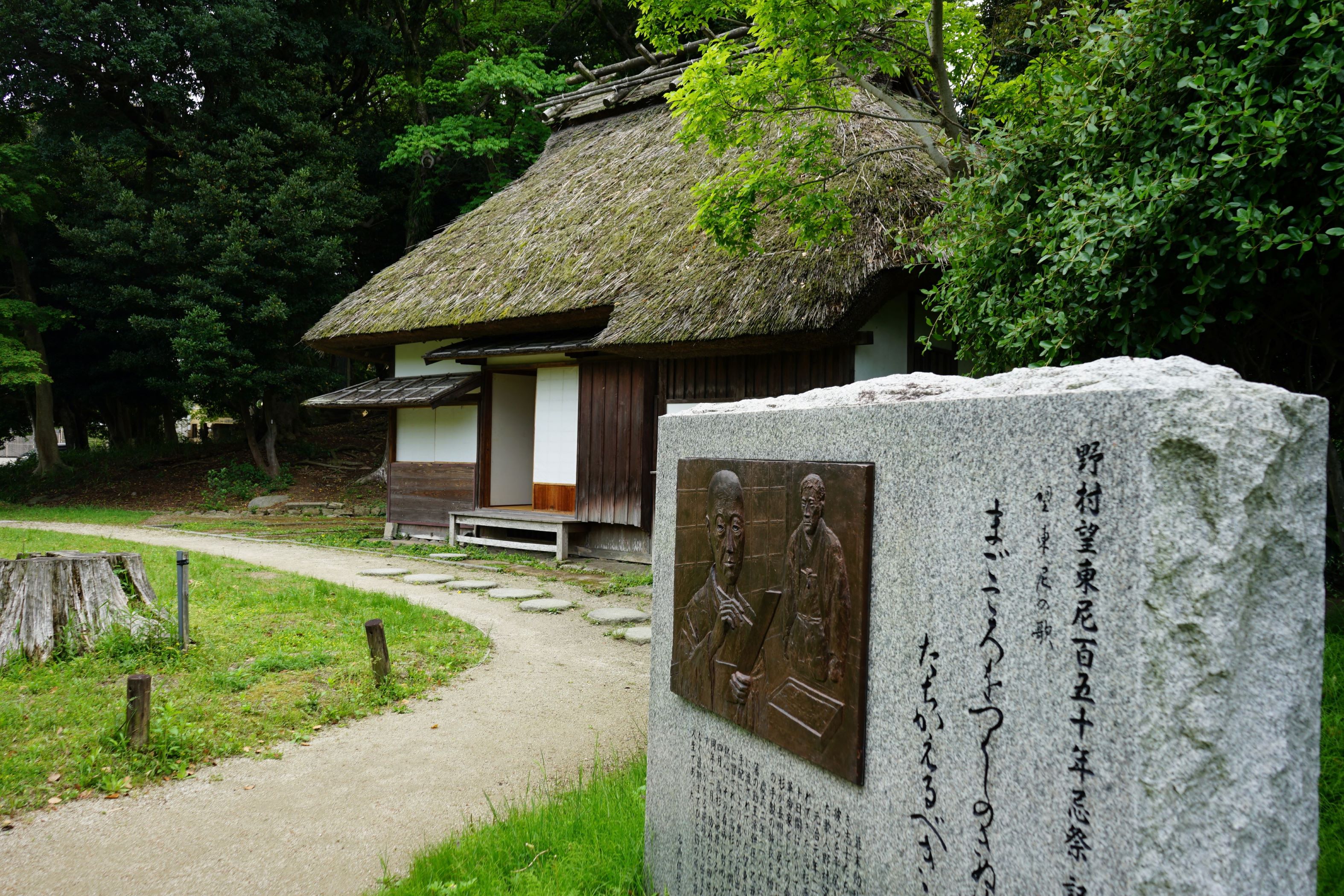 |
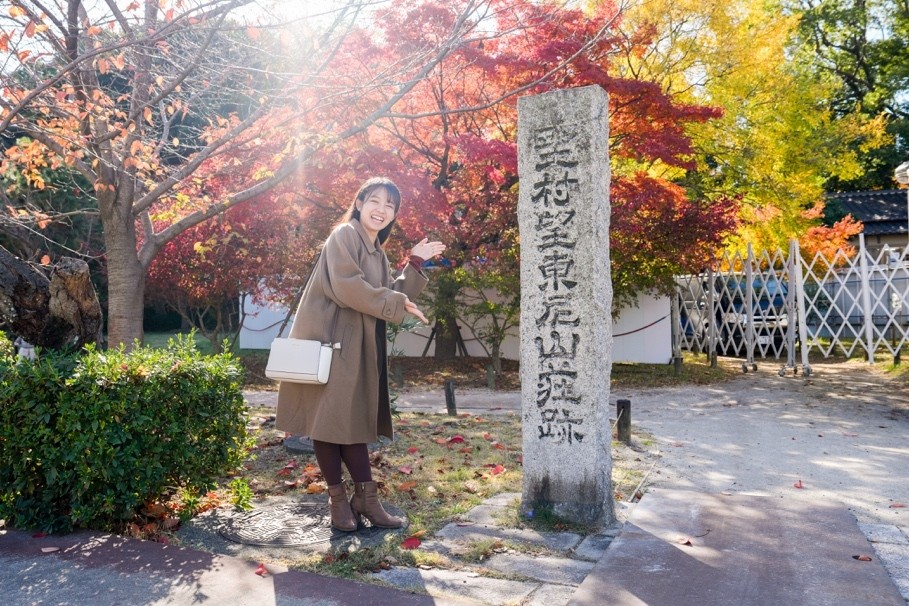
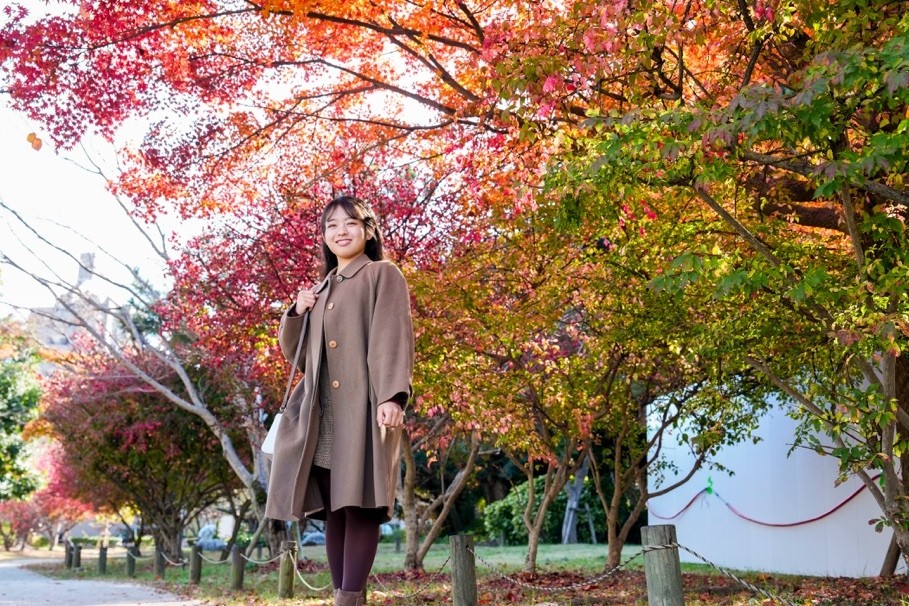
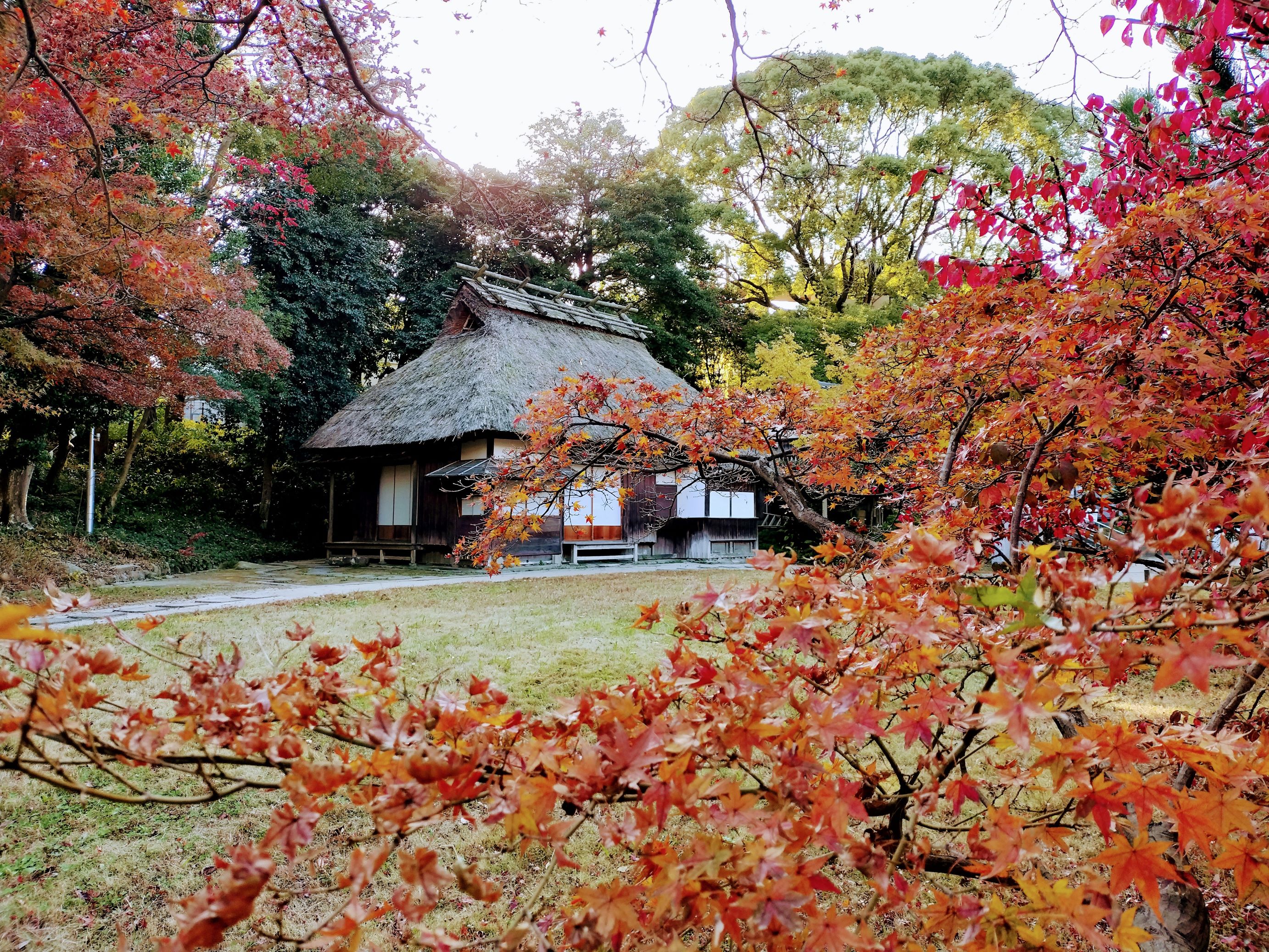
A site that must be included in any discussion of the Bakumatsu period in Fukuoka, Hirao Sansō is the site of the thatched hermitage where Nomura Boto-ni, a poet and Fukuoka Domain native, lived in seclusion.
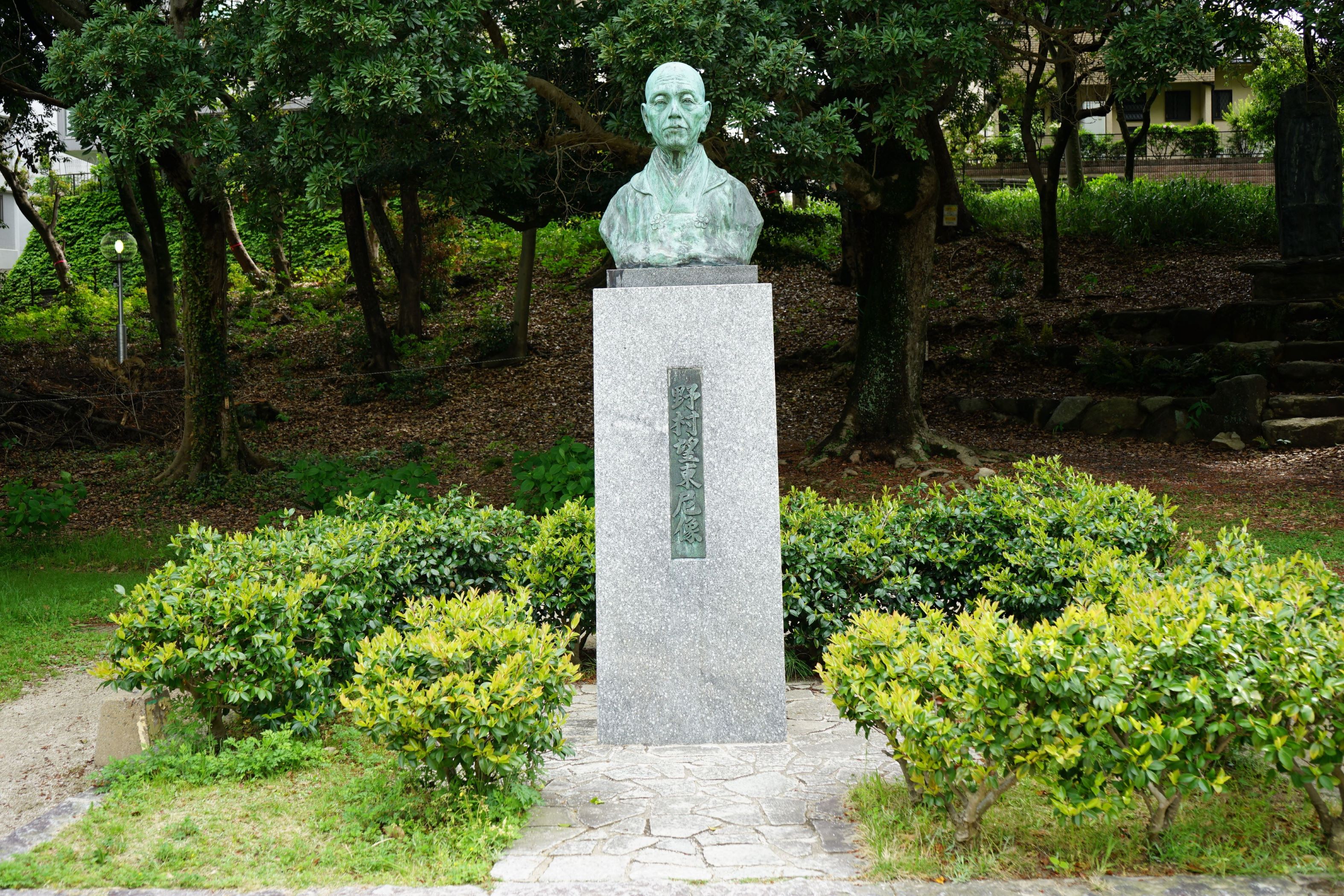
▲The area surrounding this mountain retreat has since been developed into a park where a statue of Nomura Boto-ni has been erected.
Boto-ni was born on September 6, 1806, as the third daughter of Urano Jūemon Katsuyuki, a samurai of the Fukuoka Domain, in a location near Fukuoka Castle that is now the vicinity of 3-chome in Ropponmatsu, Chuo Ward. She would subsequently marry Nomura Sadatsura also a samurai of the Fukuoka Domain. The couple studied waka poetry under Ōkuma Kotomichi and built a hermitage at this site.
At the age of 54, Boto-ni was widowed, and entered the monastic life. Around this time, she began to develop a commitment to the imperial cause, and became close with imperial loyalists here at Hirao Sansō. On occasion, she would even shelter the famous Takasugi Shinsaku. In 1865, at the time of the incident of repression known as Itchu no Goku, she was arrested by order of the domain and exiled to Himeshima, which is present-day Itoshima City. However, following eleven months of confinement, she was rescued by order of Takasugi Shinsaku, and fled to Shimonoseki. A famous anecdote tells how Boto-ni, while nursing the ailing Takasugi Shinsaku in Shimonoseki, responded to his upper haiku verse of “In this world devoid of interest, what should one do to live an interesting life?” with the lower verse, “What matters is not what surrounds you, but how you feel inside.” Boto-ni would tend to Takasugi until his death in 1867, after which she herself passed away in Mitajiri in November of the same year.
Following its restoration in 1909, the mountain retreat remains on the site today while continuing to undergo countless renovations since then. An adjacent archives exhibition room provides explanations on the life story of Boto-ni and the era in which she lived, thereby preserving for posterity the legacy of a woman who lived through turbulent times.
◎Hirao Sansō
■Address:
5-2-28 Hirao, Chuo Ward, Fukuoka City
■Open: Mountain retreat and management building open 9:00 AM – 5:00 PM (Entry allowed until 4:30 PM)
■Access:
A 6-minute walk from the “Sansōdori” stop on the Seitetsu Bus route
Parking available
The essence of modern Japanese architecture according to a coal mining king
[Former Takamiya Residence of the Kaijima Family] (City-Registered Tangible Cultural Property)
 |
.jpg) |
 |
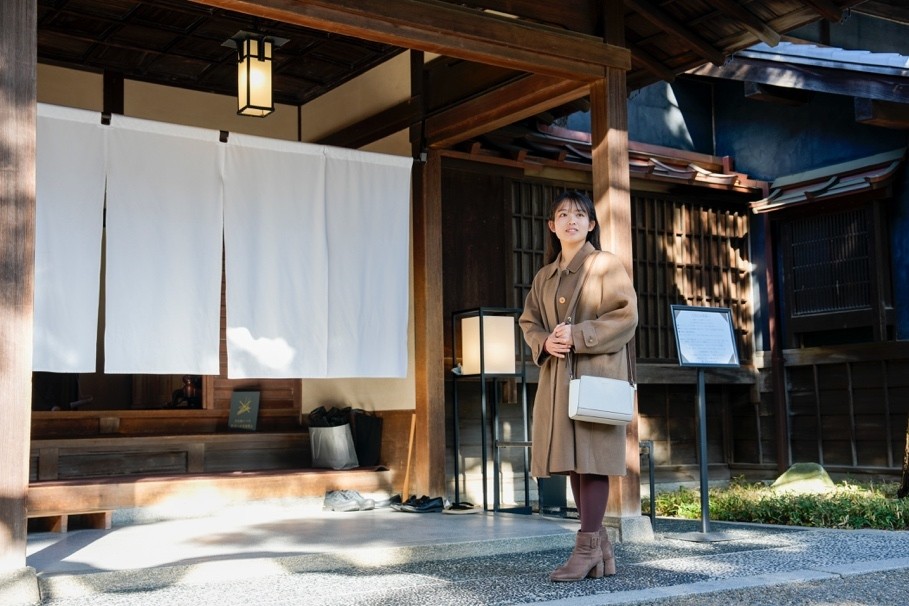 |
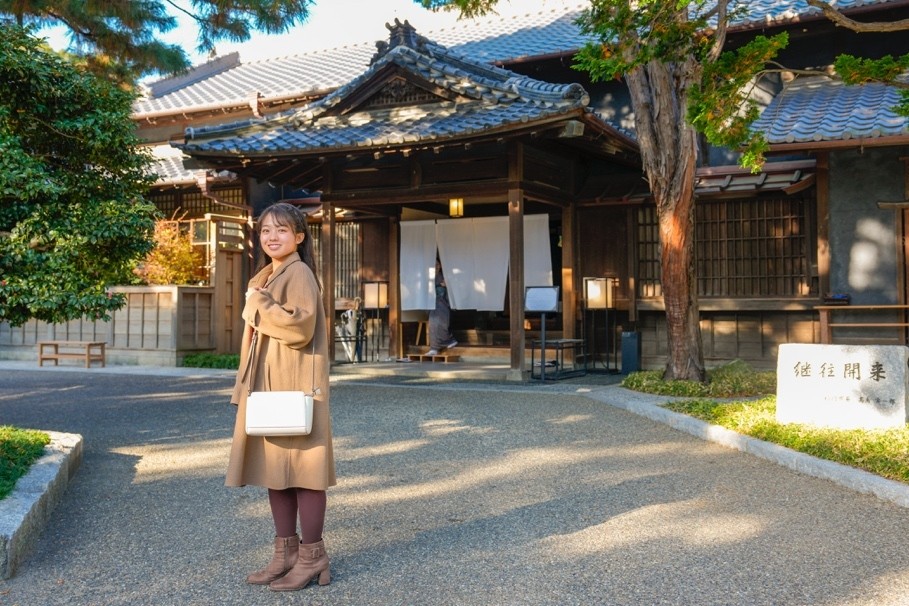
Kaijima Tasuke, known as a coal baron and one of the ‘Three Great Families of Chikuho’ alongside the Asō and Yasukawa families, had a younger brother named Kaijima Kazō. The Old Takamiya Kaijima Former Takamiya Residence of the Kaijima Family was built as the residential mansion of that brother.
 |
 |
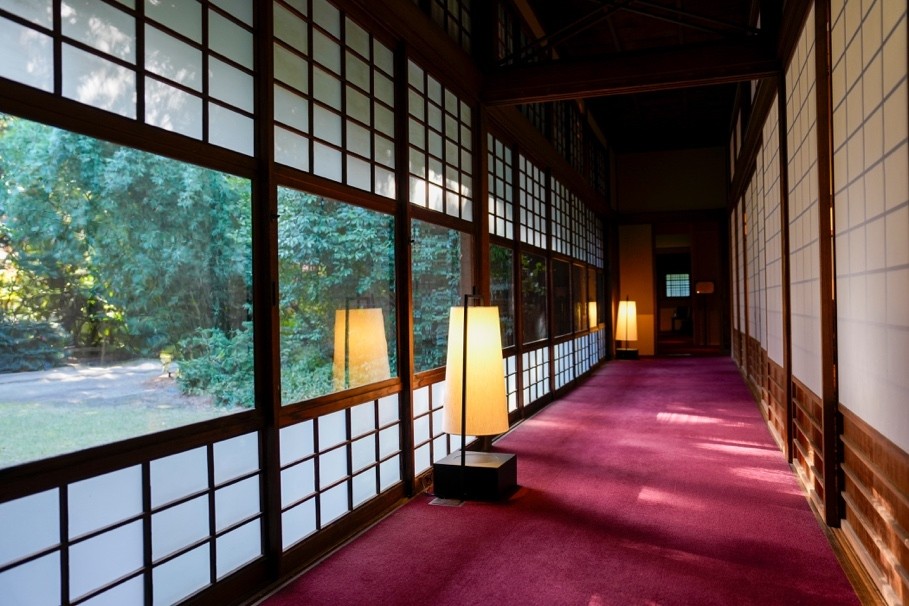
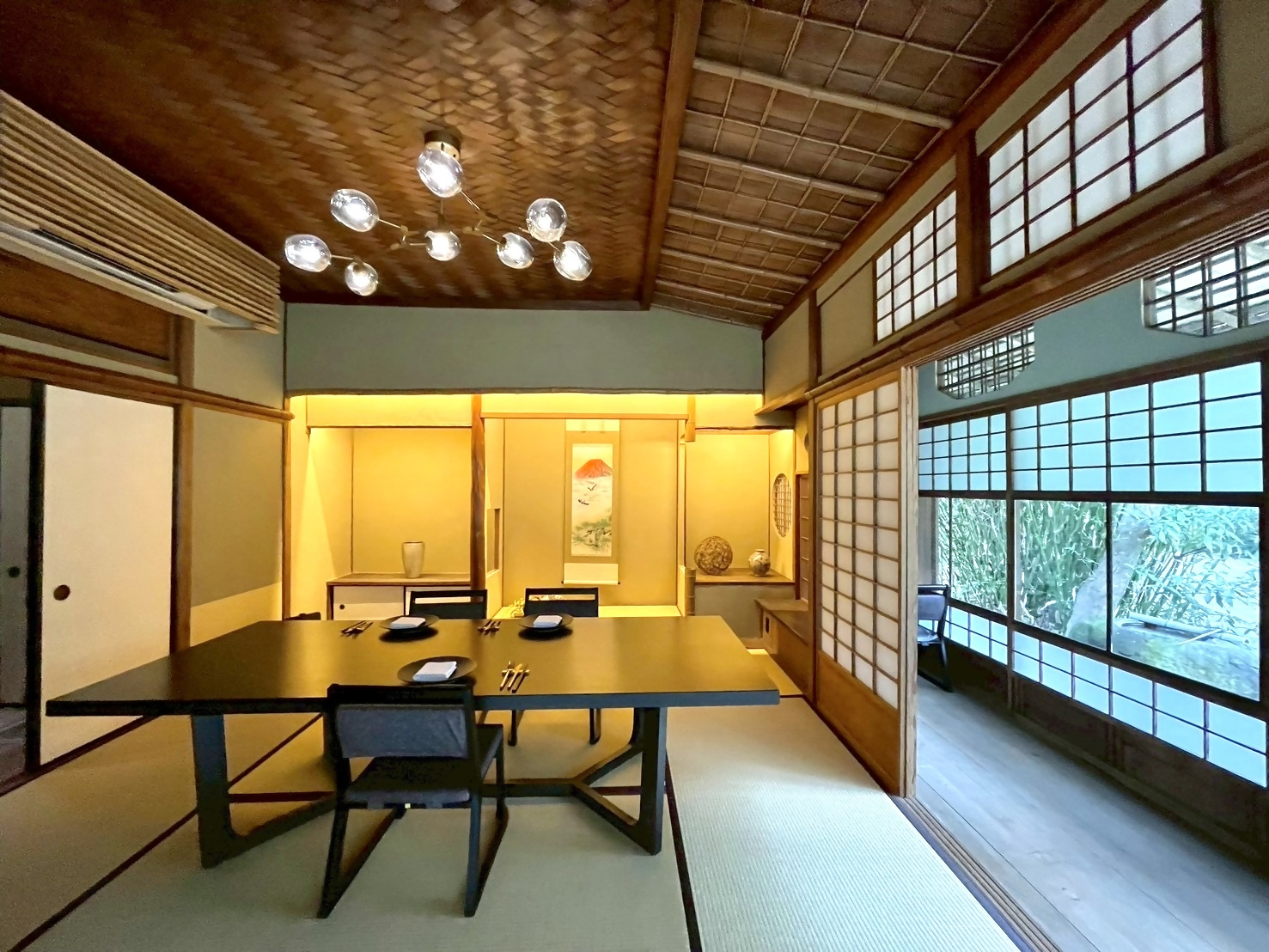
A product of traditional post-and-beam construction with few walls, the building contains beautiful cedar wood throughout, with the unique design of each room providing another highlight. Visitors can enjoy the intricate architecture and furnishings, such as the golden phoenix carved into the transom of the main formal room.
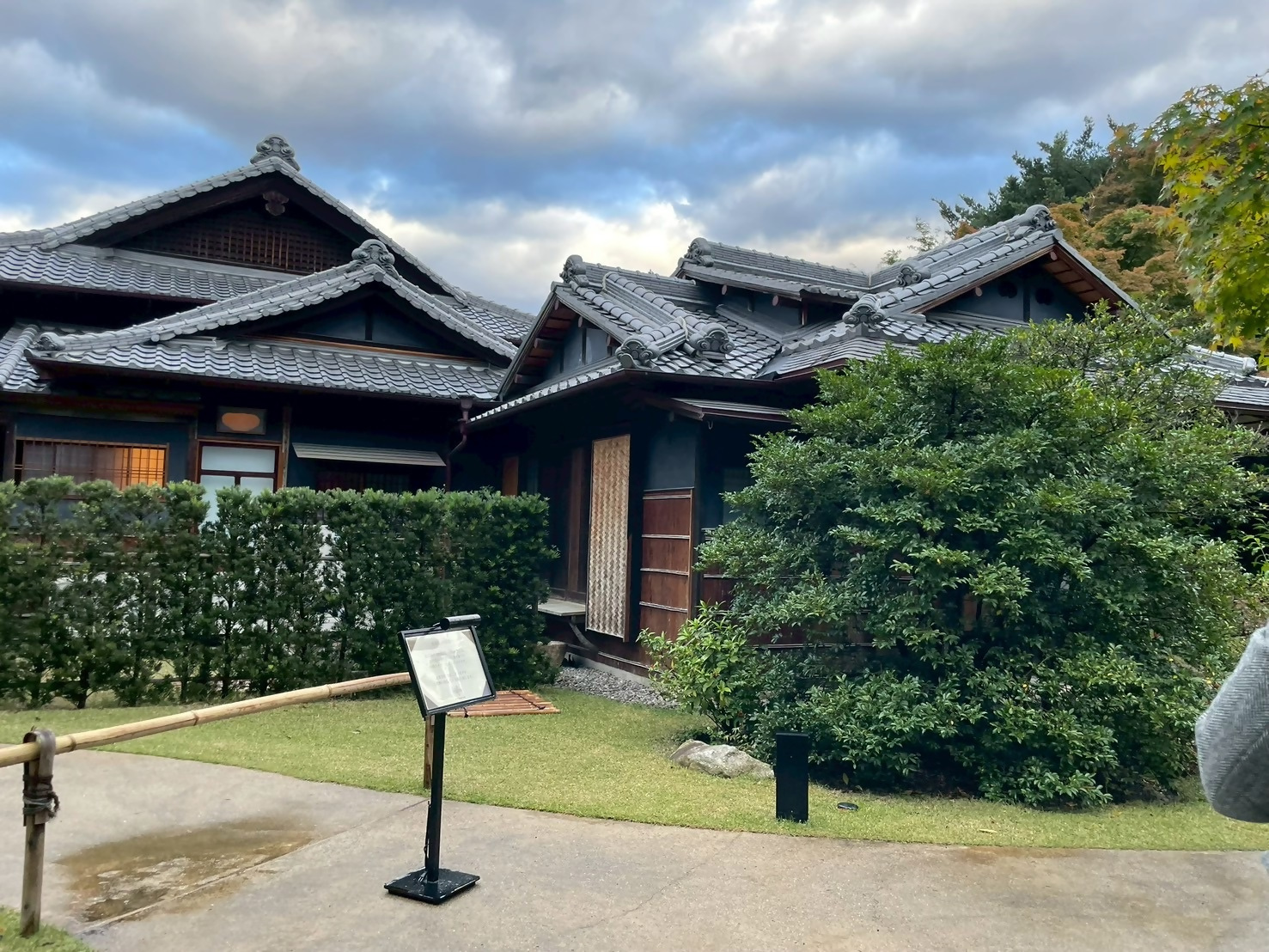
Looking at the residence’s exterior, overlapping roofs combined with a “staggered” design in which the residential units have been arranged diagonally alongside additions to the building over the years create soft shadows and depth. The result is a design that gives the residence a distinctive and expressive appearance. While the building may appear understated at first glance, the more one looks at it, the more evident it is that the residence is truly luxurious, crafted with painstaking attention to detail throughout.
Originally built in Nōgata City in 1915, The Old Takamiya Kaijima Former Takamiya Residence of the Kaijima Family was subsequently relocated to Takamiya in 1927, and took on its current form following a series of additions and renovations. A leading example of modern Japanese-style architecture in Fukuoka City and a priceless structure that conveys the history of the Chikuho coal industry during its heyday, the residence has been registered as a Tangible Cultural Property of the city.
Today, the residence is used as a venue for hospitality, one outfitted with a tea ceremony room and other rental rooms, a wedding venue, a restaurant, and more.
◎Former Kaijima Family Takamiya Residence
■Address:
5-16-1 Takamiya, Minami Ward, Fukuoka City
■Access:
A 5-minute walk from the “Noma Yotsukaku” stop on the Seitetsu Bus route
A 5-minute walk from the Central Exit of “Takamiya Station” on the Nishitetsu Tenjin Omuta Line
■TEL:
092-525-3131
■Website:
https://park.takamiyagarden.com/
A place that connects and anchors the community[Takamiya Hachimangu Shrine]
 |
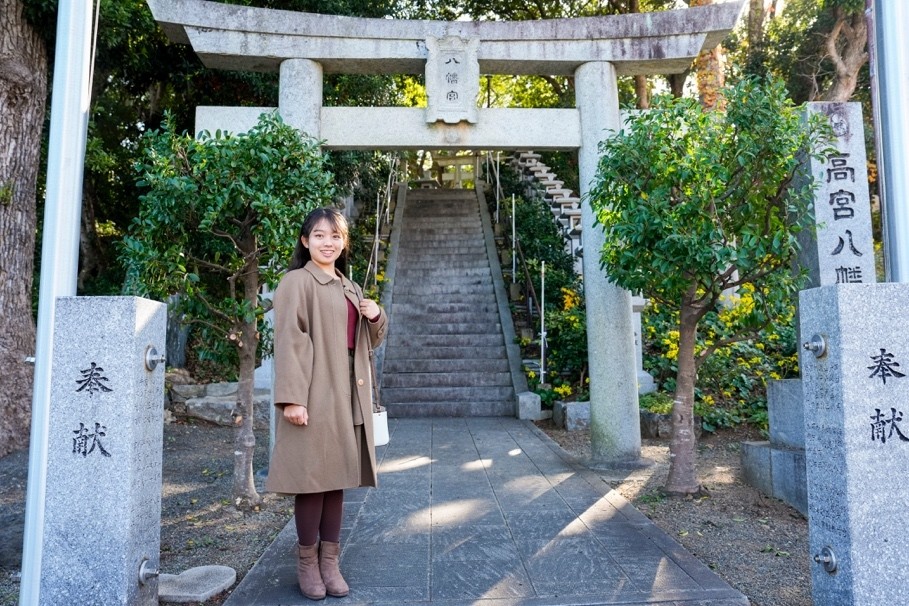 |
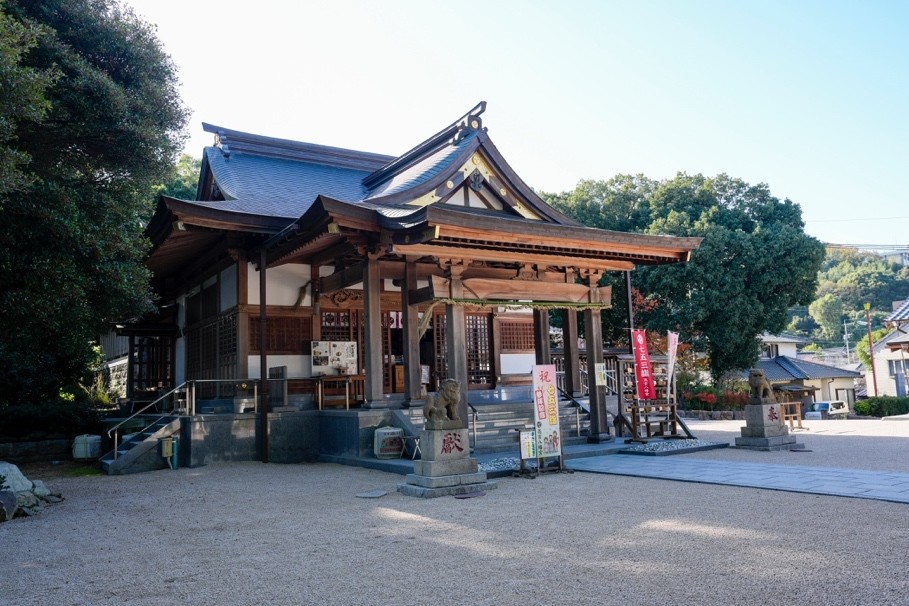
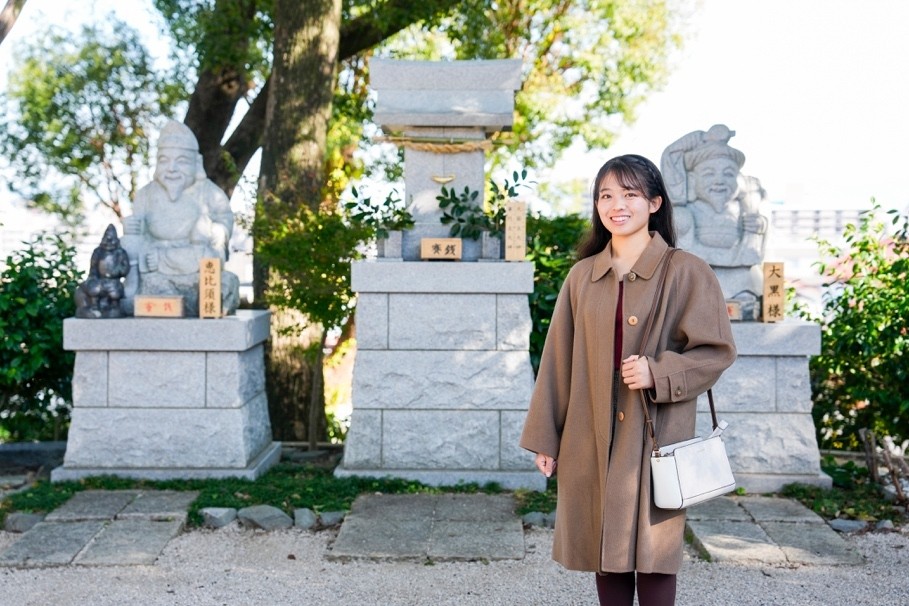
Takamiya Hachimangu was revered as the local guardian shrine of the “Seventeen Villages of Naka District.” The shrine was regarded as a parental deity watching over the community across a vast area, stretching from Maidashi in Fukuoka City in the north to Antoku in Nakagawa City in the south.
A local guardian deity is a deity that unites an entire community. During the Muromachi period, as the manorial system began to collapse, the concept of a local guardian deity was cherished as a spiritual anchor that connected villages. In the Seventeen Villages of Naka District, a sense of being part of a single community united under the same local guardian deity had taken root.
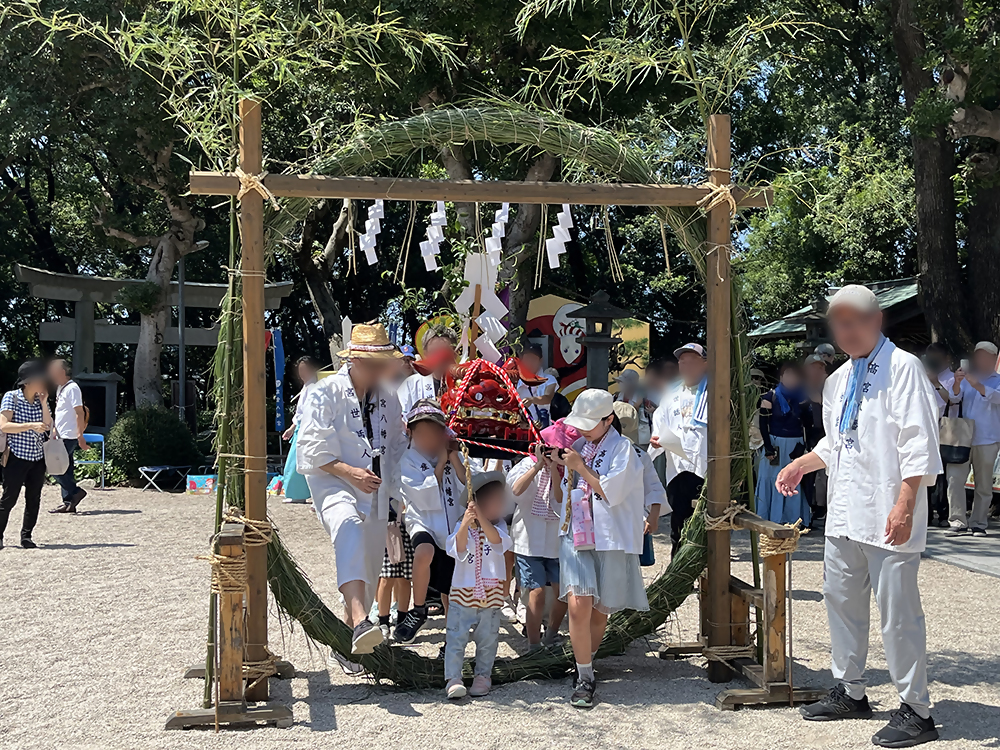
The bonds among the people with Takamiya Hachimangu Shrine at their core are still alive today. At the Takamiya Hachimangu Shrine Lion Festival (a City-Registered Intangible Folk Cultural Property) held on the last Sunday of June every year, a portable shrine bearing a lion head departs from the shrine and makes its way around homes and shops in the surrounding area. At each stop it makes, the portable shrine is raised high, and locals pass underneath it as a way of praying for sound health. The spirit of cherishing bonds in the community continues to be passed down today.
◎Takamiya Hachimangu Shrine
■Address:
4-9-34 Takamiya, Minami Ward, Fukuoka City
■Access:
10 min. on foot from “Takamiya Station” on the Nishitetsu Tenjin Omuta Line
2 min. on foot from the “Taga Itchome” stop on the Seitetsu Bus route
■TEL:
092-522-8435
■Website:
https://takamiyahachimangu.com/access/
While the locations featured in this episode are known for their beautiful scenery, learning the history behind them makes them even more appealing. Please explore these spots at your leisure while letting the scenery soothe you.
◎List of visited spots
・Aburayama Kannon Shokaku-ji Temple
・Yūsentei Park
・Hirao Sansō
・Former Takamiya Residence of the Kaijima Family
・Takamiya Hachimangu Shrine